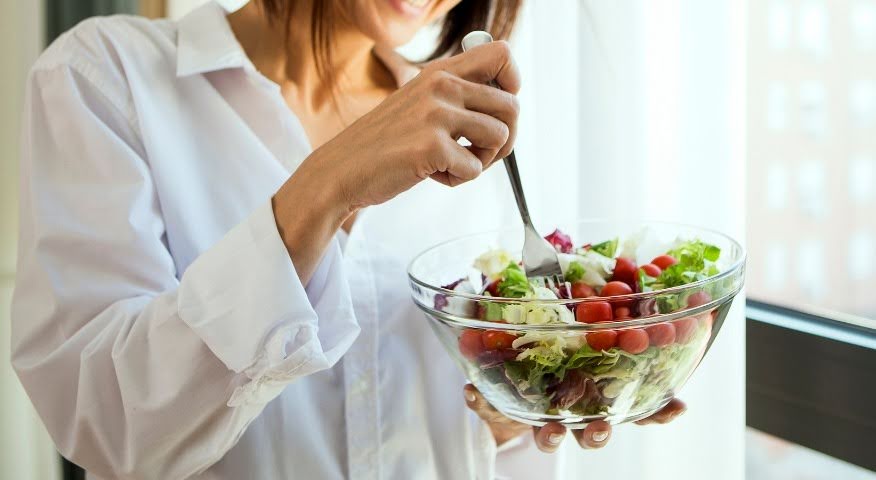





Pregnancy changes the way you think about food. Suddenly, every fruit on your plate comes with a question mark. Can you eat papaya? What about grapes? Are pineapples safe?
Most fruits are perfectly healthy during pregnancy. A few, however, need caution, especially in certain forms or quantities. Knowing which fruits should be avoided during pregnancy helps you make better choices without unnecessary worry.
The ICMR-NIN Dietary Guidelines for Indians (2024) recommend that pregnant women consume at least 150 grams of fruits daily, along with vitamin C-rich options like amla, guava, and oranges to support iron absorption. So the goal is not to fear fruits. The goal is to eat them wisely.
Here is a straightforward look at the fruits to avoid during pregnancy, the ones that are safe, and how to include them in your daily meals. And if you are planning a pregnancy or already on your pre-conception journey, getting your nutrition right early makes a real difference.
Key takeaways
- Unripe or raw papaya is the only fruit generally advised against during pregnancy due to the latex it contains
- Pineapple, grapes, and dates are safe in moderate amounts for most pregnant women
- Bananas, apples, oranges, guava, and watermelon are among the safest fruits to eat during pregnancy
- Washing fruits properly and choosing fresh over processed or pre-cut options reduces risk
- Always consult your doctor about your specific dietary needs during pregnancy
Which fruits need caution during pregnancy?
Most fruits are safe during pregnancy. A small number need either moderation or caution in certain forms. Raw papaya is the most commonly flagged, while pineapple, grapes, and dates are fine for most women in normal portions. Here is a closer look at each one and the reasoning behind the caution.
Unripe or raw papaya
One of the most common questions women in India ask during pregnancy is papaya good for pregnancy? The answer depends entirely on whether the papaya is ripe or unripe.
Raw or semi-ripe papaya contains a white, milky latex that is rich in an enzyme called papain. A study published in the British Journal of Nutrition found that crude papaya latex triggered strong uterine contractions in animal models, similar to those caused by oxytocin and prostaglandin. The same study, however, showed that ripe papaya juice did not produce any significant contractions.
So, why is papaya avoided during pregnancy? The concern is specifically about unripe papaya and its latex content. Fully ripe, orange-coloured papaya in pregnancy is generally considered safe in moderate amounts, but it is best to confirm with your doctor before including it regularly. If you are navigating dietary choices alongside fertility testing or treatment planning, your specialist can offer tailored nutritional guidance.
What to do:
- Raw, green, or semi-ripe papaya is generally advised against during pregnancy, especially in the first trimester
- Fully ripe papaya may be safe in small portions, but consult your doctor first
- Skip papaya-based salads, chutneys, or curries that use raw papaya
Pineapple in large quantities
Pineapple contains an enzyme called bromelain, which has been linked to softening of the cervix in some animal studies. Online advice often labels pineapple as one of the top fruits to avoid when pregnant, but the reality is more balanced.
The bromelain in fresh pineapple flesh is present in very small amounts, and most of it is concentrated in the core, not the edible part. A normal serving of one to two cups of fresh pineapple is unlikely to cause any harm. No human studies have shown that eating pineapple in moderate amounts causes miscarriage or early labour
What to do:
- A small serving of fresh pineapple is fine for most pregnant women
- Avoid bromelain supplements or pineapple extracts, as they contain concentrated doses
- If you experience heartburn or acidity after eating pineapple, reduce the amount
Grapes in excess
Are grapes good for pregnancy in the third trimester? The short answer is yes, when eaten in moderation. Grapes are rich in vitamins, antioxidants, folate, and potassium, all of which support a healthy pregnancy.
The concern around grapes often comes from traditional Indian beliefs that grapes “generate heat” in the body. Some sources also point to resveratrol, an antioxidant found in grape skin, as a potential issue. However, the resveratrol in fresh grapes is present in very small, food-level amounts and has not been shown to harm pregnancy. The caution around resveratrol applies to concentrated supplements, not whole fruit. For women going through IVF or other fertility treatments, a balanced diet that includes fruits like grapes can complement their care plan.
What to do:
- Enjoy grapes in moderate portions, roughly 15 to 20 per day
- Wash grapes thoroughly to remove pesticide residues
- If you have gestational diabetes, monitor your portions due to the natural sugar content
Dates in large amounts
Dates are a common part of Indian diets and offer quick energy, fibre, iron, and folate. Dates are actually a low glycemic index food, which means they do not cause rapid blood sugar spikes for most people. Some studies even suggest that eating dates in the final weeks of pregnancy may support cervical readiness and natural labour onset. The traditional belief that dates “generate heat” in the body is not supported by scientific evidence.
That said, dates are calorie-dense and high in natural sugars, so portion awareness still matters.
What to do:
- A moderate amount of dates, around three to six per day, is considered safe for most pregnant women
- If you have gestational diabetes, consult your doctor before including dates regularly, as individual blood sugar responses can vary
- Pairing dates with a handful of nuts or yoghurt can help balance their sugar content
Canned, frozen, or pre-cut fruits
Pre-packaged fruits, whether canned or frozen, often contain added sugars, preservatives, or may carry bacteria if not stored properly. Pre-cut fruits from street vendors in India may carry a higher risk of contamination due to hygiene concerns.
What to do:
- Always choose fresh, seasonal fruits over canned or processed options
- Avoid buying pre-cut fruit from roadside stalls
- If using frozen fruits, wash and cook them properly before eating
What are the safest fruits to eat during pregnancy?
Bananas, apples, oranges, guava, pomegranate, watermelon, and avocado are widely considered safe and nutritious choices during pregnancy. The ICMR-NIN Dietary Guidelines for Indians (2024) specifically recommend vitamin C-rich fruits like amla, guava, and oranges for pregnant women to support iron absorption.
- Bananas are rich in potassium and may help manage blood pressure and muscle cramps
- Apples provide fibre and vitamin C, supporting digestion and immunity
- Oranges and sweet lime (mosambi) are excellent sources of vitamin C and folate
- Guava is high in vitamin C and fibre, and supports iron absorption, as recommended by the ICMR-NIN dietary guidelines
- Watermelon keeps you hydrated and may help ease swelling and acidity
- Pomegranate is rich in vitamin C, which may help with iron absorption, and provides antioxidants
- Avocado offers healthy fats, folate, and potassium, which may support healthy development during pregnancy
A mix of two to three different fruits each day gives you a broad range of vitamins and minerals without overdoing any single one. Nutrition plays a role in overall fertility health, too, whether you are considering egg freezing or preparing for conception. If egg freezing is on your radar, understanding the pros and cons of back-to-back egg retrievals can help you plan ahead.
How can you eat fruits safely during pregnancy?
Choosing the right fruits is only half the picture. How you buy, wash, and eat them matters just as much. Here are a few practical habits to follow.
- Wash every fruit under running water before eating, even if you plan to peel it
- Peel fruits with tough skins, like apples or pears, if you are concerned about pesticide exposure
- Eat in moderation. Even healthy fruits can cause blood sugar spikes or digestive discomfort in large amounts
- Stick to fresh and seasonal. Locally available, seasonal fruits are generally more nutritious and less likely to have been treated with chemicals
- Talk to your doctor if you have gestational diabetes, food allergies, or specific dietary restrictions. A personalised approach to fertility and pregnancy care can help you build a diet plan that suits your unique health profile. Nutrition matters for both partners, so a male fertility assessment can also be a valuable part of the planning process.
Are Traditional Food Restrictions During Pregnancy Scientifically Accurate?
Not always. Some food restrictions, like avoiding raw papaya, have a basis in evidence. Others, like the belief that grapes always cause harm, are not well supported by science.
The safest approach is to eat a varied, balanced diet and discuss any specific concerns with your healthcare provider. Pregnancy nutrition does not have to be about fear. Making informed choices, based on your own health profile and your doctor’s advice, is what matters most. If you feel overwhelmed by conflicting information, a fertility assessment can bring clarity about where you stand. And if you are currently exploring treatment, you might find it useful to understand how many times you can undergo IVF.
Nourish your pregnancy with clarity, not confusion
A well-balanced diet with a variety of fresh fruits can support both your health and a healthy pregnancy. Understanding which fruits to avoid during pregnancy, and why, helps you plan meals with confidence rather than anxiety.
At Luma fertility, we believe that every part of your fertility and pregnancy journey deserves thoughtful, personalised care. Our team, including fertility specialists and care navigators, supports you with evidence-based guidance tailored to your individual needs, from pre-conception planning through pregnancy and beyond. If you are preparing for or going through IVF, practical tips like ways to make IVF shots less painful can make the experience more manageable. For questions about nutrition, fertility health, or your pregnancy journey, talk to our specialists for a personalised plan designed around you.
Note: This blog is for educational and informational purposes only. The content shared here is not a substitute for professional medical advice, diagnosis, or treatment. Always consult your doctor or a qualified healthcare provider before making any changes to your diet during pregnancy.
FAQs
Which fruits should be completely avoided during pregnancy?
Raw or unripe papaya is the fruit most consistently advised against during pregnancy due to the latex it contains, which may trigger uterine contractions. Most other fruits are safe in moderate amounts. Pineapple and grapes are fine in normal servings, but should not be consumed in excess.
Is papaya good for pregnancy?
Fully ripe papaya is generally considered safe when eaten in small quantities. The concern is specifically about unripe or raw papaya, which contains a latex rich in papain, an enzyme that may stimulate uterine contractions. Always confirm with your doctor before including papaya in your diet.
Why is papaya avoided during pregnancy?
Unripe papaya contains a milky white latex that is rich in the enzyme papain. In animal studies, crude papaya latex caused contractions similar to those triggered by labour-inducing hormones. Ripe papaya, on the other hand, did not show these effects. The caution is about the raw or semi-ripe form, not the fruit as a whole.
Are grapes good for pregnancy in the third trimester?
Grapes are generally safe and nutritious during all trimesters, including the third, when eaten in moderation. The belief that grapes cause excessive heat or harm during pregnancy is largely a cultural myth. However, if you have gestational diabetes, monitor your intake because of their natural sugar content.
What are the best fruits to eat during pregnancy?
Bananas, apples, oranges, guava, pomegranate, watermelon, and avocado are all excellent choices. A mix of seasonal, locally available fruits gives you a good balance of vitamins, minerals, fibre, and hydration. The ICMR-NIN guidelines recommend at least 150 grams of fruit daily for pregnant women.
Can eating too much fruit during pregnancy be harmful?
Eating fruits in excess may lead to digestive discomfort, blood sugar spikes, or unnecessary weight gain. Moderation is key. Two to three servings of different fruits per day is a healthy target for most pregnant women. If you have specific conditions like gestational diabetes, work with your doctor on appropriate portion sizes.
Sources referenced in this article:
- Adebiyi, A., Adaikan, P.G., & Prasad, R.N.V. (2002). Papaya (Carica papaya) consumption is unsafe in pregnancy: fact or fable? British Journal of Nutrition, 88(2), 199-203. Link
- ICMR-NIN (2024). Dietary Guidelines for Indians. National Institute of Nutrition, Indian Council of Medical Research. Link
- Al-Kuran, O., et al. (2011). The effect of late pregnancy consumption of date fruit on labour and delivery. Journal of Obstetrics and Gynaecology, 31(1), 29-31. Link
- WebMD (2025). Pineapple and Pregnancy: Does Pineapple Induce Labor? Link
WebMD (2026). Eating Dates During Pregnancy: What Health Benefits Are There? Link