



When you are actively trying to conceive, every conversation about male fertility can feel loaded with pressure. Sperm health is one of those topics that carries more weight than most people expect, yet the science behind it is encouraging: what you eat and how you live over the next two to three months can meaningfully influence sperm count, motility and quality.
Spermatogenesis, the biological cycle that produces mature sperm, takes approximately 64 to 74 days. That means the dietary and lifestyle choices you make today directly shape the sperm available roughly three months from now. Understanding this timeline is empowering, not limiting, because it gives you a clear, actionable window to support your fertility through nutrition, targeted nutrients and informed planning.
Why sperm health matters for fertility
Healthy sperm is central to conception, whether naturally or through treatments like IVF. Male factor challenges contribute to approximately half of all cases where couples face difficulty conceiving. Sperm quality affects fertilisation rates, embryo development and, ultimately, pregnancy outcomes, which is why understanding and supporting sperm health is a meaningful step in any fertility journey.
Understanding sperm count, motility and morphology
Sperm health is evaluated across three core parameters. Sperm count refers to the total number of sperm per millilitre of semen, with 15 million per millilitre considered the lower reference limit by the WHO. Sperm motility measures how effectively sperm move forward, which is essential for reaching and fertilising an egg. Sperm morphology assesses the shape and structure of sperm cells. All three parameters work together, and a shortfall in any one area can affect fertility potential.
How diet affects sperm production
Sperm production is a nutrient-intensive process. The cells that develop into mature sperm require adequate zinc for division, antioxidants for protection against oxidative damage, and essential fatty acids for membrane integrity. Research consistently associates diets rich in vegetables, fruits, whole grains, fish and nuts with better semen quality, while diets high in processed foods, trans fats and sugar tend to correlate with poorer outcomes. Because spermatogenesis takes roughly three months, dietary changes are best understood as an investment in sperm quality two to three months ahead, not an overnight fix.
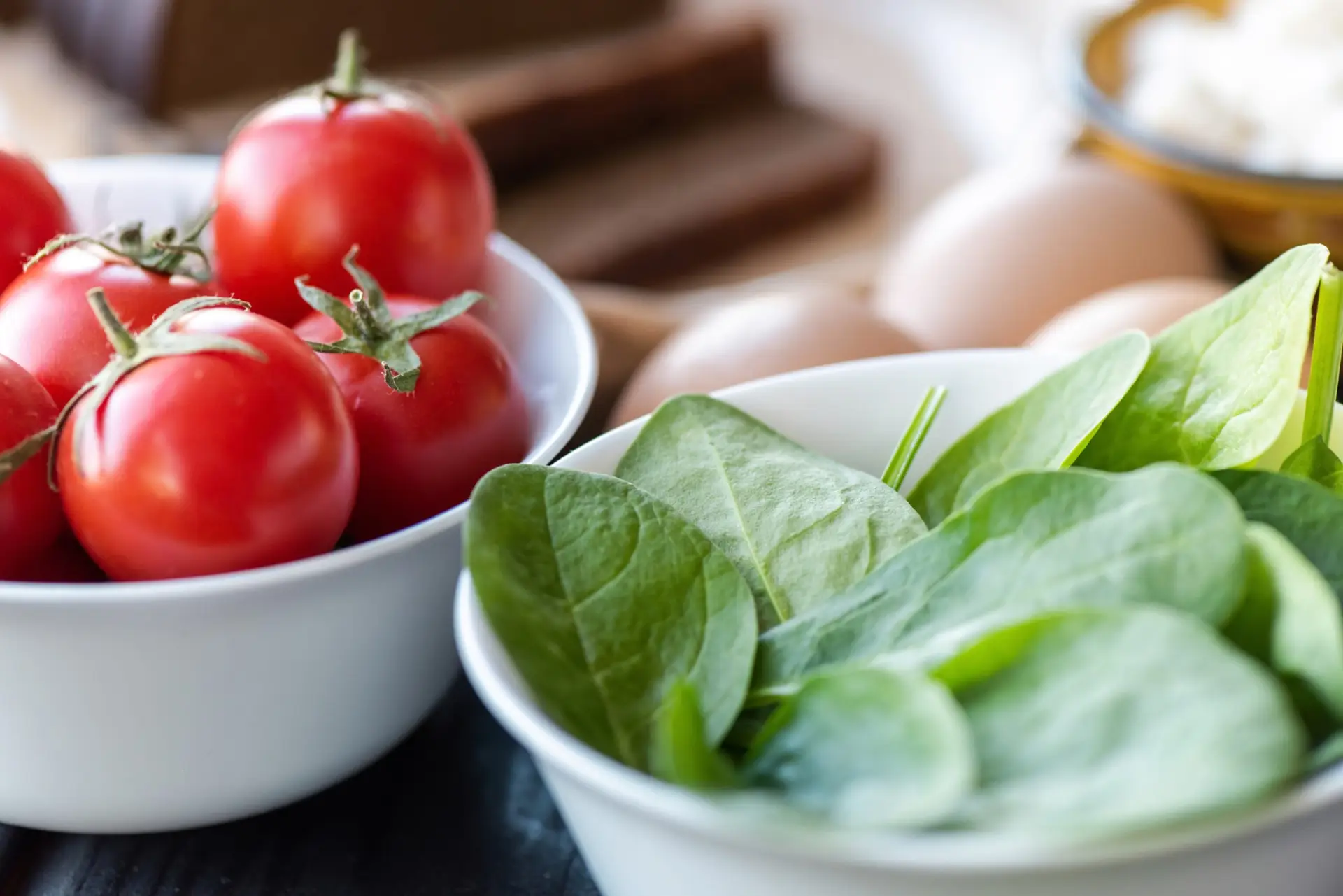
Choosing the right food for sperm production, such as zinc-rich seeds, eggs, fatty fish and antioxidant-rich fruits and vegetables, helps provide the nutrients needed for healthy sperm development.

Nutrients that help increase sperm count naturally
Specific vitamins and minerals play well-documented roles in supporting sperm production, protecting sperm from cellular damage and maintaining hormonal balance.
Zinc and testosterone production
Zinc is essential for testosterone synthesis and healthy spermatogenesis. A 2025 review published in Antioxidants (MDPI) confirmed that zinc positively influences sperm motility, morphology and count, and plays a key role in the biosynthesis of male sex hormones. Zinc-rich foods include oysters, pumpkin seeds, red meat, chickpeas and lentils.
Omega-3 fatty acids and sperm health
Omega-3 fatty acids, particularly DHA, are structural components of the sperm cell membrane and influence its fluidity and motility. A 2019 systematic review in Andrology found that omega-3 supplementation improved DHA concentrations in seminal plasma and positively influenced sperm motility in men with fertility challenges. Good dietary sources include fatty fish (salmon, mackerel, sardines), walnuts and flaxseeds.
Antioxidants for better sperm quality
Sperm cells are particularly vulnerable to oxidative stress because of their high polyunsaturated fatty acid content. Antioxidants such as vitamin C, vitamin E, selenium and lycopene help neutralise reactive oxygen species that can damage sperm DNA and impair motility. A diet rich in colourful fruits, vegetables, nuts and seeds provides a broad spectrum of protective antioxidants.
10 Foods That Increase Sperm Count Naturally
If you’re wondering which food increase sperm count, the answer isn’t a single superfood but a combination of nutrient-rich foods. Adding these foods consistently over several weeks can support sperm production and quality throughout the spermatogenesis cycle.
Walnuts
Rich in omega-3 fatty acids, polyphenols and antioxidants. Studies associate regular walnut consumption with improved sperm vitality, motility and morphology.
Dark chocolate
Contains L-arginine, an amino acid that supports blood flow and may aid sperm production. A small portion offers antioxidant benefits without excess sugar.
Spinach
An excellent source of folate, which supports healthy cell division during spermatogenesis, and iron, which aids oxygen transport to reproductive tissues.
Eggs
High-quality protein combined with vitamin E and selenium. Vitamin E helps protect sperm cell membranes from oxidative damage.
Bananas
Contain bromelain, an enzyme associated with supporting testosterone regulation, along with vitamin B6 and potassium for energy and hormonal balance.
Pumpkin seeds
One of the richest plant-based sources of zinc, which is critical for testosterone production and sperm maturation.
Garlic
Contains allicin, a compound with antioxidant properties that may help protect sperm cells from cellular damage and support healthy circulation.
Pomegranates
Packed with polyphenols and ellagic acid. Pomegranate consumption has been associated with reduced oxidative stress markers in seminal plasma.
Tomatoes
A primary dietary source of lycopene. A 2019 randomised trial published in Phytotherapy Research found that lycopene supplementation improved total sperm count and concentration in men with low counts, although larger studies are still needed.
Oysters
Among the most concentrated natural sources of zinc. Even modest portions can contribute significantly to daily zinc requirements for reproductive health.
Foods that improve sperm motility and quality
Choosing the right food for strong sperm means prioritising nutrients that improve motility, protect sperm DNA and support healthy sperm structure.
Best foods for sperm motility
Foods rich in omega-3 fatty acids (fatty fish, walnuts, chia seeds), CoQ10 (organ meats, broccoli) and L-carnitine (lean red meat, dairy) are most strongly associated with supporting progressive sperm movement.
Foods that improve sperm quality
Vitamin E-rich foods (almonds, sunflower seeds, avocados), selenium sources (Brazil nuts, tuna, eggs) and folate-dense greens (spinach, asparagus) support the structural and genetic integrity of sperm.
Foods that support sperm production naturally
There is no single food that boost sperm count overnight, but eating a balanced diet rich in zinc, selenium, antioxidants, healthy fats and protein can support healthy sperm production over time.
Foods rich in zinc and selenium
Oysters, pumpkin seeds, lentils, chickpeas, Brazil nuts and whole grains. Both minerals are required for DNA synthesis and protecting developing sperm from oxidative damage.
Foods that support testosterone levels
Eggs, fatty fish, pomegranates, fortified dairy and zinc-rich foods all contribute to the hormonal environment that drives healthy sperm production.
Foods that reduce oxidative stress
Berries (blueberries, strawberries), dark leafy greens, green tea, turmeric and tomatoes are rich in compounds that neutralise free radicals in the reproductive tract.
Fruits that increase sperm count and motility
Fruits offer a convenient, daily source of antioxidants and micronutrients relevant to sperm health.
Bananas
Bromelain plus vitamin B6 and potassium. A practical, accessible fruit that supports energy metabolism and may help regulate testosterone.
Pomegranates
High antioxidant capacity and associated with reduced oxidative stress in seminal fluid.
Citrus fruits
Oranges, lemons and grapefruits are rich in vitamin C, a potent antioxidant that protects sperm from DNA fragmentation.
Berries
Blueberries, strawberries and blackberries provide anthocyanins and quercetin, compounds with strong antioxidant and anti-inflammatory properties relevant to reproductive health.
Indian foods that can increase sperm count
Several traditional Indian ingredients have emerging clinical evidence supporting their role in male reproductive health. Evaluating these through a scientific lens reveals mechanisms that align with modern fertility medicine.
Ghee
Clarified butter supports fat-soluble vitamin absorption (A, D, E, K), which influences hormone regulation and cellular health. In Ayurveda, ghee is considered a reproductive tonic; nutritionally, its role in aiding nutrient absorption may indirectly support the hormonal environment for spermatogenesis.
Safed musli (Chlorophytum borivilianum)
A traditional Ayurvedic adaptogen used for male reproductive support. Preliminary studies suggest safed musli may help support testosterone levels and improve semen volume, though larger clinical trials are needed to confirm these effects.
Ashwagandha (Withania somnifera)
Among the most studied Ayurvedic herbs for male fertility. A randomised, placebo-controlled pilot study published in Evidence-Based Complementary and Alternative Medicine (2013) found that ashwagandha root extract taken for 90 days significantly improved sperm count, semen volume and motility in men with low counts. Its mechanism of action includes lowering cortisol and oxidative stress, both of which can impair sperm development. A 2026 trial in Frontiers in Reproductive Health corroborated improvements in total sperm count and motility after eight weeks.
Kaunch beej (Mucuna pruriens)
Contains L-DOPA, a precursor to dopamine, which may influence hormonal signalling. Research suggests kaunch beej can reduce oxidative stress in seminal plasma and support sperm quality parameters.
Shatavari (Asparagus racemosus)
Known for its adaptogenic and hormone-balancing properties. While more commonly studied in female reproductive health, emerging evidence suggests shatavari may also support male hormonal balance and semen consistency.
Foods that may help increase semen volume
Semen volume is influenced by hydration, nutrient status and glandular health.
Hydrating foods
Cucumbers, watermelon, celery and citrus fruits. Adequate hydration supports seminal fluid production from the prostate and seminal vesicles.
Zinc-rich foods
Zinc directly supports the function of the prostate gland, which produces a significant portion of seminal fluid. Oysters, pumpkin seeds and legumes are practical sources.
Protein-rich foods
Eggs, lean meats, paneer and lentils provide the amino acids that form the structural foundation of seminal proteins and support overall reproductive function.
Foods and drinks to avoid for better male fertility
Certain dietary patterns are associated with poorer semen parameters. Limiting or avoiding these over the three-month spermatogenesis window can help protect developing sperm.
Processed meats
Linked to lower sperm count and reduced motility in observational studies, likely due to preservatives, nitrates and high saturated fat content.
Trans fats
Found in fried and packaged foods. Trans fats may impair testosterone production and increase inflammatory markers that damage sperm cells.
Excessive soy products
High intake of soy-derived isoflavones may have mild oestrogenic effects that could influence sperm concentration, though moderate consumption is generally considered safe.
High-fat dairy products
Full-fat milk and cheese may contain trace hormones and environmental contaminants that can interfere with reproductive hormone balance.
Excessive alcohol
Heavy drinking is associated with lower testosterone, reduced sperm count and impaired morphology. Moderation or avoidance during active conception planning is advisable.
Sugary drinks
Regular consumption of sugar-sweetened beverages has been associated with lower semen quality in multiple observational studies.
Ultra-processed foods
High in additives, refined carbohydrates and unhealthy fats. Diets dominated by ultra-processed foods correlate with increased oxidative stress and poorer sperm parameters.
Lifestyle tips to improve male fertility
Nutrition works best alongside broader lifestyle adjustments. The same three-month spermatogenesis window applies.
Exercise and weight management
Moderate, regular physical activity improves circulation, supports hormonal balance and helps maintain a healthy BMI, all of which benefit sperm production. Excessive intense exercise, however, can temporarily elevate cortisol and impair sperm quality.
Sleep and testosterone
Testosterone production peaks during sleep. Consistently poor sleep is linked to lower testosterone levels and reduced sperm count. Aim for seven to eight hours of quality sleep per night.
Stress management
Chronic stress elevates cortisol, which can suppress testosterone and disrupt spermatogenesis. Practices such as meditation, yoga, regular exercise and adequate rest support hormonal equilibrium.
Avoiding heat exposure
Sperm production requires a temperature slightly below core body temperature. Prolonged exposure to heat from hot baths, saunas, tight clothing or laptops placed directly on the lap can temporarily impair sperm production.
Quitting smoking and tobacco
Smoking is associated with reduced sperm count, motility and morphology, as well as increased sperm DNA fragmentation. Quitting smoking is one of the most impactful single changes for male reproductive health.
When should you consult a fertility specialist?
Dietary and lifestyle changes are a meaningful first step, but they have limits. At Luma fertility, our approach to male factor evaluation goes beyond a standard semen analysis. Advanced diagnostics, including detailed hormonal profiling and sperm function testing, help identify subtle patterns that routine tests can miss. Where assisted reproduction is needed, personalised IVF protocols incorporate advanced embryology techniques and data-led embryo monitoring to optimise outcomes, even when male factor challenges are present.
Your Care Navigator guides both partners through every step, connecting medical, nutritional and emotional support so that your pre-conception journey is built around your biology, not around averages.
Book a no-pressure consultation to understand your fertility profile and plan your next steps with clarity and confidence.
FAQs
What foods produce sperm fast?
There are no foods that produce sperm fast, as sperm production takes approximately 64 to 74 days. However, zinc-rich foods, omega-3 fatty acids and antioxidant-rich fruits and vegetables support healthy sperm development over time.
Can sperm count increase in 1 day through diet?
If you’re wondering how to increase sperm count by food in 1 day, there is no proven way to do so. Sperm production takes around 64 to 74 days, so consistent healthy eating over several weeks is needed to support sperm count.
Which banana is best for increasing sperm count?
Ripe bananas contain higher levels of easily digestible sugars and bromelain. There is no clinical evidence distinguishing specific banana varieties for sperm health; any ripe banana offers relevant nutrients.
Does banana increase sperm count?
Bananas contain bromelain, vitamin B6 and potassium, which may support testosterone regulation and energy metabolism. While no single food guarantees a sperm count increase, bananas are a practical addition to a fertility-supportive diet.
How should eggs be eaten to increase sperm count?
Eggs are rich in protein, vitamin E, selenium and zinc regardless of preparation method. Boiled or poached eggs retain the most nutrients without added unhealthy fats.
Does milk increase sperm count?
Milk provides protein, calcium and vitamin D. However, some research suggests full-fat dairy may contain trace hormones that could influence reproductive parameters. Low-fat or plant-based alternatives may be preferable during active conception planning.
Which milk is best for sperm health?
Low-fat cow’s milk or unsweetened fortified plant milks (almond, oat) offer relevant nutrients without the potential hormonal concerns associated with full-fat dairy.
What foods improve sperm motility fast?
Foods rich in omega-3 fatty acids (salmon, walnuts), CoQ10 (broccoli, organ meats) and L-carnitine (lean red meat) are most consistently associated with improved motility. The effect builds over the spermatogenesis cycle, not overnight.
What foods increase semen volume naturally?
Hydration is the most direct factor. Zinc-rich foods (oysters, pumpkin seeds) support prostate function, and protein-rich foods (eggs, lentils) provide building blocks for seminal fluid. Adequate water intake daily is the simplest starting point.
Sources consulted:
- WHO Laboratory Manual for the Examination and Processing of Human Semen, 6th Edition
- Antioxidants (MDPI), 2025: Association between zinc levels and male infertility
- Journal of Trace Elements in Medicine and Biology, 2022: Serum zinc and testosterone correlation
- Andrology, 2019: Omega-3 fatty acids and semen quality (systematic review)
- Evidence-Based Complementary and Alternative Medicine, 2013: Ashwagandha and spermatogenic activity
- Frontiers in Reproductive Health, 2026: Ashwagandha root extract and male sexual health
- Phytotherapy Research, 2019: Lycopene supplementation and spermatogram outcomes
- Antioxidants (MDPI), 2025: Lycopene and male reproductive health (meta-analysis)