



Most women ovulate between day 11 and day 21 of their cycle, typically around 12 to 16 days before their next period starts, not a fixed number of days after the period itself. If you have a regular 28-day cycle, ovulation usually falls around day 14. Cycle length varies from person to person, so tracking your own pattern over a few months gives a more accurate picture than a single average.
A general range is a useful starting point, but ovulation timing is not purely a numbers game. Cycle length, hormonal patterns, and individual biology all influence when your fertile days after period actually fall. A shorter or longer cycle shifts the window, and even regular cycles can vary slightly from one month to the next. Understanding what drives those shifts, and learning to read your own body’s signals, can make a real difference when planning ahead.
Here is what you need to know, explained in plain terms.
What is ovulation?
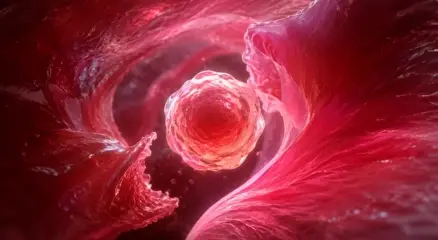
Ovulation is when one of the ovaries releases a mature egg. The egg then travels through the fallopian tube, where it can potentially be fertilised by sperm. If fertilisation does not happen, the egg dissolves within about 12 to 24 hours, and the uterine lining sheds as a period roughly two weeks later.
Ovulation is essentially the body’s short window of opportunity for conception each month. Knowing when it happens can be helpful, whether you are planning a pregnancy or simply want to understand your cycle better.
How many days after your period do you ovulate?
The short answer: for a regular 28-day cycle, ovulation is often estimated to happen around day 14, though the actual day can vary from person to person and even cycle to cycle. Day 1 is always counted as the first day of your period, not the day it ends.
However, not all cycles are 28 days long. A normal menstrual cycle can range anywhere from 21 to 35 days, according to the Cleveland Clinic. So the day you ovulate can shift quite a bit depending on your personal cycle length.
For a 28-day cycle
If your cycle is around 28 days, ovulation is most likely to happen somewhere around day 14. Your most fertile days would roughly fall between day 9 and day 14.
For shorter or longer cycles
A shorter cycle of 21 to 24 days may mean ovulation happens earlier, sometimes as soon as day 7 to day 10. A longer cycle of 30 to 35 days may push ovulation to day 16 or later.
The pattern to keep in mind: ovulation generally happens about 12 to 16 days before your next period starts, according to the American Pregnancy Association, not a fixed number of days after your period ends. So the second half of the cycle (called the luteal phase) tends to be more consistent than the first half.
Here is a quick reference for different cycle lengths:
- 21-day cycle: Ovulation may happen around day 7
- 25-day cycle: Ovulation may happen around day 11
- 28-day cycle: Ovulation may happen around day 14
- 30-day cycle: Ovulation may happen around day 16
- 35-day cycle: Ovulation may happen around day 21
When does ovulation occur in the menstrual cycle?
To understand when ovulation occurs, it helps to know the two main phases of the menstrual cycle.
The follicular phase (before ovulation)
The cycle begins on the first day of your period. During the follicular phase, the body starts preparing an egg for release. Follicle-stimulating hormone (FSH) signals the ovaries to develop follicles, and one of those follicles eventually matures. A surge in luteinising hormone (LH) then triggers the release of that mature egg. According to the Cleveland Clinic, this process typically happens between days 10 and 14 of a standard cycle.
The luteal phase (after ovulation)
After the egg is released, the luteal phase begins. The body produces progesterone to prepare the uterus for possible implantation. If pregnancy does not occur, progesterone drops, the uterine lining sheds, and your period starts again.
The luteal phase usually lasts about 12 to 14 days, though a range of 10 to 17 days is considered normal, according to the Cleveland Clinic. Knowing when ovulation starts after periods becomes much simpler once you start tracking both the length of your cycle and the day your period begins.
What is the fertile window?
The fertile window is the set of days each cycle when pregnancy is most likely. According to ACOG (The American College of Obstetricians and Gynecologists), for cycles between 26 and 32 days, the most fertile days typically fall between day 8 and day 19.
Why such a wide range? Because sperm can survive in the reproductive tract for up to 3 to 5 days. So even if intercourse happens a few days before ovulation, pregnancy is still possible. The egg itself only survives for about 12 to 24 hours once released. Sperm quality also plays a role in conception, which is why a male fertility assessment can sometimes be a useful part of the picture when a couple is planning ahead.
In practical terms, the fertile window is roughly:
- 5 days before ovulation
- The day of ovulation itself
- Possibly 1 day after ovulation
So, how many days after the period is ovulation? For a 28-day cycle with a 5-day period, ovulation likely happens about 9 days after your period ends. But again, individual variation is common. A fertile window calculator can provide a rough estimate, but tracking your own body’s signals over a few months tends to be more reliable than any single formula.
Signs of ovulation to watch for in Women
Some women notice physical changes around the time of ovulation. Common signs include:
- Changes in cervical mucus: Discharge may become clear, slippery, and stretchy, similar to raw egg whites. According to ACOG, this is one of the more reliable self-observed signs.
- Mild pelvic discomfort: A slight twinge or cramp on one side of the lower abdomen, sometimes called mittelschmerz.
- A slight rise in basal body temperature: Body temperature may increase by about 0.5 to 1°F after ovulation.
- Breast tenderness or sensitivity
- Increased sex drive
Not everyone experiences these signs, and their absence does not mean ovulation is not happening.
How to Track When You Ovulate
If you are curious about how many days after your period ovulation starts in your specific case, here are a few methods that may help.
Calendar tracking
Mark the first day of your period each month. After tracking for a few months, you can estimate your average cycle length and roughly predict when ovulation may happen. For consistent cycles, simply count back 14 days from your expected next period.
A prospective study published in the BMJ found that most women ovulate between days 11 and 21 of their cycle, with the timing varying month to month, even in the same individual.
Cervical mucus monitoring
Pay attention to changes in vaginal discharge throughout the month. The presence of clear, stretchy mucus typically signals that ovulation is approaching. After ovulation, mucus tends to become thicker or less noticeable.
Basal body temperature (BBT)
Using a basal thermometer, take your temperature every morning before getting out of bed. A slight but sustained rise for three consecutive days may indicate that ovulation has occurred. Note that BBT tracking tells you after the fact, so it is more useful for understanding your pattern over several months.
Ovulation predictor kits (OPKs)
Available at most pharmacies, these kits detect the LH surge in your urine that happens about 24 to 36 hours before ovulation. A positive result suggests ovulation may be approaching soon. For women with irregular cycles, OPKs can sometimes be less predictable, so combining them with other methods may help. If self-tracking does not give you enough clarity, a structured female fertility assessment that includes hormone levels and ovarian reserve can offer a more detailed picture.
What can affect ovulation timing?
Several factors can shift when ovulation happens, making it earlier or later than expected:
- Stress or emotional changes
- Sudden weight gain or weight loss
- Conditions like PCOS (polycystic ovary syndrome) or thyroid issues
- Intense physical activity
- Travel, illness, or disruptions to routine
- Breastfeeding
- Use or discontinuation of hormonal contraception
Irregular periods may sometimes indicate irregular ovulation. If your cycle length varies significantly from month to month, predicting the exact day of ovulation can be more challenging. For couples who want a structured approach to preparing for pregnancy, a pre-conception journey that evaluates lifestyle, nutrition, and reproductive health can help address some of these variables before they become obstacles.
When to consider a fertility consultation
Knowing your cycle is a great first step. But sometimes, tracking alone may not give you enough clarity, especially if:
- Your periods are consistently irregular
- You have been trying to conceive for over a year (or six months if you are over 35)
- You experience very painful periods or unusual symptoms
- You want a personalised assessment rather than general estimates
A fertility assessment that looks beyond basic cycle tracking, including ovarian reserve, hormonal profiling, and a thorough medical evaluation, can offer a more complete picture. A male fertility assessment may also be worth considering, as sperm health is a factor in nearly half of all fertility-related challenges. At Luma Fertility, every assessment is tailored to the individual, because two people of the same age can have very different fertility profiles.
For those exploring assisted options, understanding how many times you can undergo IVF and what back-to-back IVF cycles involve can help set realistic expectations early on.
Planning ahead with confidence
Ovulation is a key part of the menstrual cycle, and knowing when it happens can help with both conception planning and general reproductive awareness. While the “day 14” guideline is a useful starting point, your body may follow its own timeline. Tracking over a few months, paying attention to your body’s signals, and understanding your personal cycle length can go a long way.
If you are looking for clarity around your fertility journey, a personalised consultation with a fertility specialist can help you move from guesswork to informed planning. At Luma Fertility, the approach is designed around you, not around averages. From fertility assessments to personalised IVF protocols and egg freezing programmes, every plan is science-backed, transparent, and built with genuine care.
If IVF is something you are considering, you may also find it helpful to read about ways to make IVF shots less stressful and the pros and cons of back-to-back egg retrievals.
Book a consultation to explore your options at your own pace.
Note: This blog is for educational and informational purposes only. It is not a substitute for professional medical advice, diagnosis, or treatment. Always consult a qualified healthcare provider for guidance specific to your health.
Frequently Asked Questions
Q. How do I calculate my fertile window?
Your fertile window is the 6 days ending on the day of ovulation, covering the 5 days before ovulation plus ovulation day itself. For a 28-day cycle with ovulation around day 14, the fertile window typically runs from around day 9 to day 14. Tracking ovulation signs (basal body temperature, cervical mucus changes, or an ovulation predictor kit) gives a more precise picture than calendar counting alone. While a fertile window calculator can offer a starting estimate, combining a calendar method with physical signs tends to be more accurate.
Q. What are the most fertile days after your period ends?
For most women with an average 28-day cycle, the most fertile days to get pregnant fall roughly 8 to 14 days after the first day of the period. If your cycles are shorter or longer than 28 days, this window shifts accordingly. Ovulation timing is tied to when your next period is expected, not a fixed number of days from your last one.
Q. Can you get pregnant right after your period ends?
Getting pregnant right after your period is less likely but not impossible, particularly if you have a short cycle (21 days or fewer) or ovulate early. Sperm can survive in the reproductive tract for up to 5 days, so intercourse just after a period can occasionally result in pregnancy if ovulation happens early that cycle.
Q. How many days after your period do you ovulate?
For a typical 28-day cycle, ovulation usually happens around day 14, which is about 9 days after a 5-day period ends. For shorter or longer cycles, ovulation timing shifts accordingly. Counting back 14 days from your expected next period gives a reasonable estimate.
Q. When does ovulation start after periods?
Ovulation does not begin right after your period ends. Depending on cycle length, ovulation may occur anywhere between days 11 and 21 of the cycle.
Q. Can you ovulate at different times each month?
Yes. Ovulation timing can shift from one cycle to the next due to factors like stress, sleep, illness, or hormonal changes. Even women with regular cycles may see slight variations in timing month to month.
Q. How long does the fertile window last?
About 6 days total, covering the 5 days before ovulation and the day of ovulation itself. Sperm can survive up to 5 days, while the egg lasts roughly 12 to 24 hours.
Q. Does an irregular cycle mean you are not ovulating?
Not necessarily. Irregular cycles can make ovulation harder to predict, but ovulation may still be happening. A medical evaluation can help identify the underlying cause.
Q. Is the “day 14” rule accurate for everyone?
No. A study published in the BMJ found that among women with 28-day cycles, only about 10% actually ovulated on day 14. Ovulation timing varies widely. Tracking your own cycle and symptoms gives a more accurate picture than relying on general averages.
Sources:
- Cleveland Clinic. “Ovulation: Calculating, Process, Pain & Other Symptoms.” https://my.clevelandclinic.org/health/articles/23439-ovulation
- ACOG. “Trying to Get Pregnant? Here’s When to Have Sex.” https://www.acog.org/womens-health/experts-and-stories/the-latest/trying-to-get-pregnant-heres-when-to-have-sex
- ACOG. “Fertility Awareness-Based Methods of Family Planning.” https://www.acog.org/womens-health/faqs/fertility-awareness-based-methods-of-family-planning
- American Pregnancy Association. “Ovulation FAQs.” https://americanpregnancy.org/getting-pregnant/ovulation-faqs/
- Wilcox AJ, Dunson D, Baird DD. “The timing of the ‘fertile window’ in the menstrual cycle.” BMJ. 2000;321(7271):1259-1262. https://pmc.ncbi.nlm.nih.gov/articles/PMC27529/
- Reed BG, Carr BR. “The Normal Menstrual Cycle and the Control of Ovulation.” Endotext, NCBI Bookshelf. https://www.ncbi.nlm.nih.gov/books/NBK279054/
- Cleveland Clinic. “Luteal Phase Of The Menstrual Cycle.” https://my.clevelandclinic.org/health/articles/24417-luteal-phase