



Whether you are trying to conceive or simply trying to understand your body better, questions about how long sperm live inside the reproductive system come up more often than you might think. Fertility is personal, and understanding the basics of how conception works can help you feel more informed and in control of your next steps.
One of the most common questions people ask is, How long does sperm live inside a woman after intercourse? The short answer is that sperm can survive anywhere from a few hours to up to five days, depending on where they are and the conditions inside the body. But there is more to the story than just a number, and knowing the details can make a real difference in how you plan.
Key takeaways
- Sperm can survive about 3 to 5 days inside the uterus and fallopian tubes under favourable conditions.
- In the vagina, sperm typically survive only a few hours due to the naturally acidic environment.
- Cervical mucus around ovulation protects sperm and extends their lifespan.
- The fertile window spans about six days: the five days before ovulation and ovulation day itself.
- Sperm health, timing, and overall reproductive health all influence survival.
How long does sperm live inside the female body?
When sperm enter the reproductive tract, their survival depends largely on the environment they encounter. Not all parts of the reproductive system offer the same conditions, and that is why how long does sperm live inside the female body varies so much.
Here is a general breakdown:
- Vagina: A few hours at most, because the naturally acidic environment (pH typically around 3.8 to 4.5, according to the Cleveland Clinic) is not favourable for sperm survival.
- Cervix and cervical mucus: Up to 3 to 5 days, especially around ovulation when cervical mucus becomes more alkaline and protective.
- Uterus and fallopian tubes: Up to 3 to 5 days under optimal conditions, which is where fertilisation typically takes place.
According to the Mayo Clinic, sperm typically stay alive for about 3 to 5 days within the cervix, uterus, and fallopian tubes. ACOG similarly notes that sperm can survive inside the body for about 3 days, and sometimes up to 5 days after intercourse.
So when people ask how long sperm will live in the uterus, the practical answer is usually between 3 and 5 days, though individual conditions can push that number slightly higher or lower.
Why sperm survival is different in the vagina vs. the uterus
Understanding how long sperm live in the vagina versus deeper parts of the reproductive tract helps explain why timing and environment matter so much.
The vagina is naturally acidic
The vaginal environment is designed to protect against infection, and the acidic pH does that job well. However, that same acidity is not friendly to sperm. Most sperm that remain in the vagina lose motility within a few hours. Typically, only the healthiest and most mobile sperm make it past the cervix and into the uterus.
The cervix acts as a filter and a reservoir
Around ovulation, the cervix produces a thinner, more slippery mucus that is sometimes called “fertile cervical mucus.” According to research published in the National Library of Medicine (PMC), cervical crypts are thought to entrap and store sperm, while the mucus itself acts as a reservoir for extended sperm survival. Small structures in the cervix can temporarily hold sperm and release them gradually, increasing the chances of fertilisation over several days.
The uterus and fallopian tubes support longer survival
Once sperm reach the uterus and fallopian tubes, the environment becomes more neutral and nourishing. How long sperm live in the uterus depends on factors like the quality of the reproductive fluids, overall health, and how close to ovulation intercourse takes place.
What affects how long sperm can live inside a woman?
Several factors determine how long sperm can live inside a woman. No single number applies to everyone, and individual variation plays a significant role.
Timing relative to ovulation
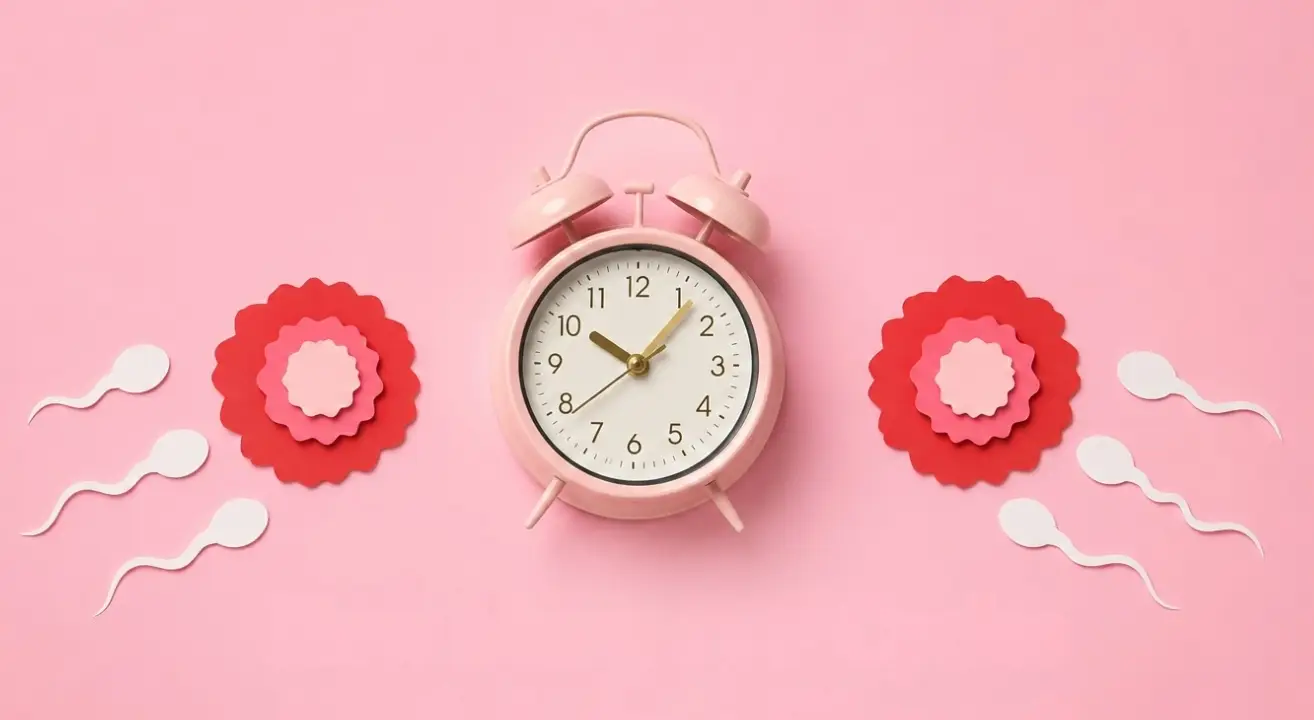
Sperm survive longest when intercourse happens during or just before the fertile window. The fertile window typically spans about six days, including the five days before ovulation and ovulation day itself.
Cervical mucus quality
The type and amount of cervical mucus produced around ovulation has a direct impact on sperm survival. Fertile mucus tends to be clear, stretchy, and more alkaline, creating a welcoming environment. Outside the fertile window, the mucus is thicker and more acidic, which limits sperm movement and lifespan.
Sperm health and motility
Not all sperm are equal. Healthy, motile sperm with normal shape are more likely to survive the journey through the cervix into the fallopian tubes. A male fertility assessment that includes semen analysis can help identify whether sperm health may be affecting conception.
Overall reproductive health
Conditions like infections, hormonal imbalances, or structural issues in the reproductive tract can affect how hospitable the environment is for sperm. A female fertility assessment can help evaluate whether underlying factors may be influencing the ability to conceive.
The fertile window and why sperm lifespan matters
Because sperm can survive for up to five days, the fertile window is wider than many people assume. Conception does not necessarily need to happen on the exact day of ovulation. Intercourse two, three, or even five days before ovulation may still result in pregnancy if sperm are healthy and the reproductive environment is supportive.
Here is a simple way to think about it:
- 5 days before ovulation: Sperm enter the body and may survive in the fallopian tubes.
- Ovulation day: The egg is released and can be fertilised for 12 to 24 hours.
- After ovulation: If sperm are already in the fallopian tubes, fertilisation can still occur within that short egg survival window.
For couples planning a pre-conception journey, understanding this window can be an important part of timing and preparation.
How long does sperm survive outside the body?
Outside the body, sperm survival drops dramatically. Once exposed to air, sperm typically dry out and lose motility within minutes. On dry surfaces like clothing or skin, sperm die almost immediately once the semen dries.
In a warm, moist environment like a sterile sample container, sperm may survive for up to an hour. For long-term storage, sperm can be preserved for years through cryopreservation. Similarly, egg freezing allows individuals to preserve fertility by storing eggs for future use. According to the Cleveland Clinic, unejaculated sperm can stay alive in the testicles for about 2.5 months before being reabsorbed.
Practical tips for timing intercourse
For anyone trying to conceive, a few practical points around sperm lifespan can help:
- Aim for the days leading up to ovulation, not just ovulation day itself. Having sperm already present in the fallopian tubes may improve the chances of meeting the egg.
- Track ovulation using methods like basal body temperature, ovulation predictor kits, or observing changes in cervical mucus.
- Maintain overall reproductive health through balanced nutrition, regular exercise, adequate sleep, and stress management, as these can influence both sperm quality and the reproductive environment.
For individuals and couples considering IVF, understanding sperm survival also helps in making informed decisions about treatment timing.
When to consult a fertility specialist
If you have been trying to conceive for 12 months (or 6 months if you are over 35) without success, speaking with a fertility specialist may be a helpful next step. A comprehensive assessment typically includes hormone testing, ovulation tracking, semen analysis, and sometimes imaging of the reproductive organs. Early evaluation does not mean treatment is inevitable, but it can provide clarity and direction.
Understanding your fertility starts with the right guidance
Knowing how long sperm stays in the uterus is one piece of a much larger picture. At Luma fertility, we help individuals and couples navigate these questions with personalised care and evidence-based support. Our team of experienced specialists takes time to understand your unique biology and create a plan that works for you, not a one-size-fits-all protocol.
If you are looking for clarity on your fertility journey, book a consultation and let us help you plan your next step with confidence.
Disclaimer – This blog is for educational purposes only and should not be used as a basis for self-medication or treatment decisions. Always consult a qualified medical professional before starting or changing any treatment.
Faqs
Q. How long does sperm stay alive in the uterus?
Sperm can survive in the uterus and fallopian tubes for about 3 to 5 days under favourable conditions, particularly around the time of ovulation. The exact duration depends on factors like cervical mucus quality, overall reproductive health, and sperm motility.
Q. Can sperm survive for 7 days inside a woman?
While most sperm remain viable for 3 to 5 days, some studies have noted exceptional cases where motile sperm were found in the cervical mucus up to 7 days after intercourse. However, conception from sperm that old would be extremely rare.
Q. How long does sperm live in the vagina?
Sperm survival in the vagina is typically only a few hours. The naturally acidic environment of the vagina (pH typically 3.8 to 4.5) reduces sperm motility quickly. Sperm that do not pass through the cervix within the first several hours are unlikely to survive.
Q. Does the timing of ovulation affect how long sperm survive?
Yes. Sperm survive longest when they enter the body during or just before the fertile window. Around ovulation, the cervix produces a protective, alkaline mucus that nourishes sperm and helps them travel to the fallopian tubes, where they can wait for the egg.
Q. How many sperm are needed for pregnancy?
Only one sperm is needed to fertilise an egg. However, each ejaculation releases roughly 100 to 200 million sperm, and the vast majority do not survive the journey. A healthy sperm count and good motility improve the likelihood that at least one sperm reaches the egg.
Q. Can lifestyle changes improve sperm survival and fertility?
Maintaining a healthy weight, eating a balanced diet, avoiding smoking and excessive alcohol, managing stress, and staying physically active may all support better sperm health and motility. For men, avoiding excessive heat exposure to the groin area (such as saunas or tight clothing) may also help, as sperm production functions best at slightly below body temperature.