




Thinking about fertility while you are still in your 20s or early 30s can feel strange. You might not be anywhere close to wanting to conceive right now, yet conversations about age, egg quality, and “the right time” seem to follow you everywhere. Friends, family, social media, even well-meaning doctors can add to the noise. And when you are already navigating career goals, relationships, finances, or simply figuring out what you want from life, the last thing you need is more pressure.
Your feelings are completely valid. Not being ready right now does not mean you are out of options. Fertility preservation exists precisely for moments like these, when the timing does not feel right yet, but the desire to keep your choices open does.
Fertility preservation in Mumbai has become more accessible in recent years, yet the topic can still feel confusing. A calm, informed overview of what it involves, who may benefit, and how the process works can help cut through the noise.
Key takeaways
- Egg freezing is the most common form of fertility preservation for women under 35, and outcomes tend to be stronger when eggs are frozen at a younger age.
- Vitrification (flash-freezing) has significantly improved egg survival rates after thawing compared to older methods, with meta-analysis data showing rates above 80% (Reproductive BioMedicine Online, 2023).
- India’s ART (Regulation) Act, 2021 provides a legal framework for egg and embryo storage at registered clinics.
- No form of fertility preservation can assure a specific outcome, but freezing eggs earlier may improve the chances of a successful cycle later.
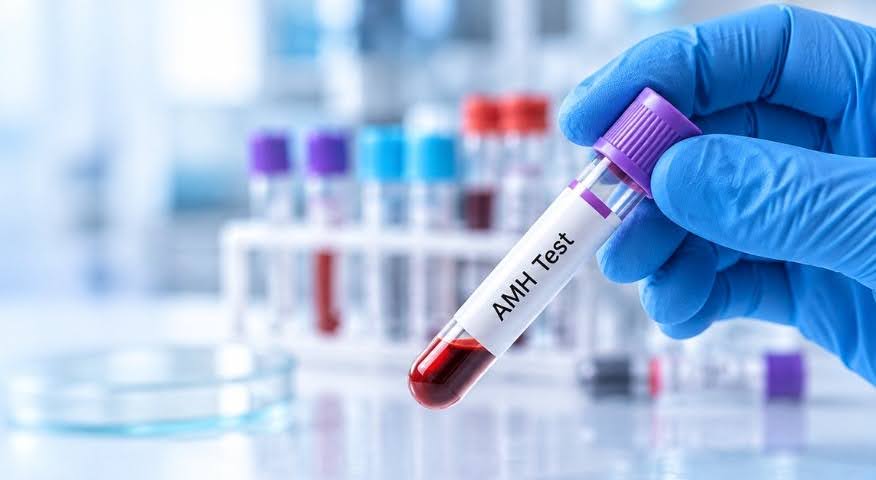
- A fertility assessment is a practical first step to understand your ovarian reserve and overall reproductive health.
What is fertility preservation, and why does age matter?
Fertility preservation refers to medical procedures that help protect a person’s ability to conceive in the future. For women, the most common approach is egg freezing (also called oocyte cryopreservation), where mature eggs are retrieved, frozen, and stored for later use.
Why the under-35 window comes up so often
Age plays a significant role in egg quality, not just egg count. According to the American College of Obstetricians and Gynaecologists (ACOG), a woman’s peak reproductive years span from the late teens through the late 20s. After 30, fertility begins a gradual decline that becomes more noticeable after 35. For a closer look at what actually changes at this stage, the guide on fertility after 35 covers the topic in more detail.
Egg count (ovarian reserve) drops steadily throughout life, but the more impactful change is in egg quality. As eggs age, the risk of chromosomal irregularities increases. Freezing eggs before 35 means the eggs stored are more likely to be chromosomally healthy, which may improve outcomes if and when those eggs are used for IVF Treatment later.
Age 35 is a reference point based on population-level trends. Individual fertility varies widely. A fertility assessment helps provide a clearer individual picture.

Who may benefit from fertility preservation?
Fertility preservation for women is not limited to one type of situation. Women explore reproductive preservation options for a wide range of reasons, and all of them are valid.
Common reasons women consider egg freezing
- Career or education goals: Egg freezing for career women has become increasingly common in Indian metros. Women building careers in technology, medicine, law, or finance may want flexibility without a biological deadline shaping every decision.
- Personal readiness: Not being in the right relationship, not feeling financially prepared, or simply wanting more time are all common motivations.
- Medical reasons: Women facing treatments like chemotherapy or surgery that may affect ovarian function can benefit from freezing eggs before treatment begins.
- Conditions that affect ovarian reserve: Endometriosis, PCOS, low AMH at a young age, or a family history of early menopause are reasons to consider preservation sooner.
The decision to preserve fertility under 35 is a personal one. No reason is more valid than another.
How does egg freezing work? A step-by-step overview
Egg freezing in Mumbai follows a process that typically spans 10 to 14 days. Here is what the process generally looks like. For a more detailed walkthrough, the egg freezing process guide covers each stage in depth.
Step 1: Initial consultation and assessment
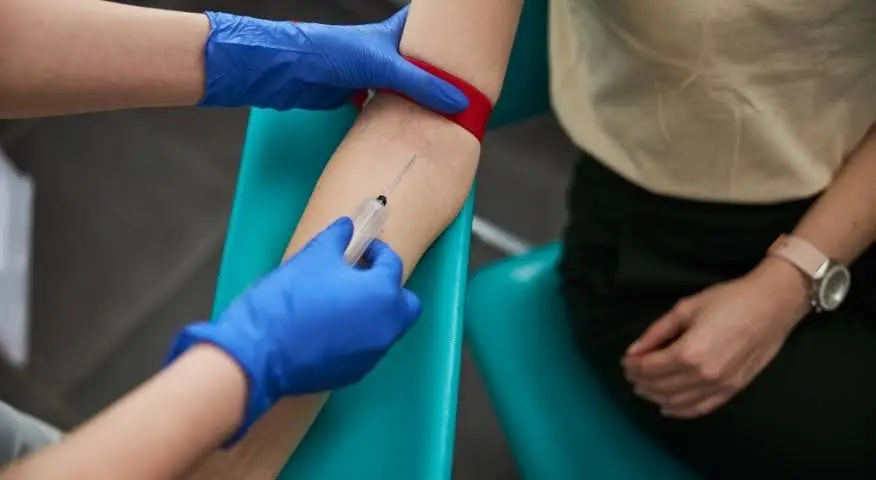
A fertility specialist evaluates your hormonal profile (AMH, FSH, LH) and performs an ultrasound to assess your antral follicle count (AFC). A male fertility assessment may also be recommended if you have a partner and are considering embryo freezing instead.
Step 2: Ovarian stimulation
Hormone injections are administered over roughly 10 to 12 days to encourage the ovaries to produce multiple mature eggs in a single cycle. Regular ultrasound scans and blood tests monitor follicle growth throughout.
Step 3: Egg retrieval
Once the follicles have reached the right size, a trigger injection is given. About 34 to 36 hours later, the eggs are retrieved through a minor procedure under light sedation. Most women go home the same day.
Step 4: Vitrification and storage
Mature eggs are flash-frozen using vitrification, a technique that prevents ice crystal formation and protects the egg’s structure. Frozen eggs are stored in cryogenic tanks at approximately -196 degrees Celsius. At registered clinics in India, storage is governed by the ART (Regulation) Act, 2021.
What affects egg freezing outcomes?
Not every cycle produces the same results. Several factors influence how many eggs are retrieved, how many survive the thaw, and how they perform if used later.
Age at the time of freezing
Women who freeze eggs before 35 tend to have stronger outcomes. A study in the Journal of Clinical Medicine (2023) found significantly higher live birth rates when 15 or more eggs were frozen, with better results in younger women (Kakkar et al., 2023). Research also suggests women aged 34 or younger may need around 10 mature eggs for a reasonable chance of a future live birth, while women over 37 may need considerably more (Goldman et al., 2022). Egg quality matters as much as quantity here, and why some women need fewer eggs to achieve the same outcome comes down to individual biology.
Ovarian reserve and lab quality
AMH levels and AFC provide useful estimates of how your ovaries may respond to stimulation. Understanding how to interpret AMH alongside AFC and age can help put your numbers in proper context. Meanwhile, how eggs are handled during retrieval and vitrification also matters. Meta-analysis data shows vitrification survival rates generally exceed 80%, with some experienced labs reporting higher (Cascante et al., 2023). Choosing a fertility clinic in Mumbai with strong lab infrastructure and experienced embryologists can make a meaningful difference.
Legal framework: what the ART Act means for you
India’s Assisted Reproductive Technology (Regulation) Act, 2021, provides a regulatory structure for fertility treatments, including egg freezing.
- All clinics offering egg freezing must be registered with the National ART and Surrogacy Board.
- Gamete storage requires documented consent, with clear terms for duration, renewal, and use.
- Single women can legally freeze their eggs in India under the Act.
Women’s fertility preservation in India now falls under a formal legal framework, giving you regulated protections around how your eggs are stored and safeguarded.
Lifestyle factors that may support egg quality
Fertility planning for women in their 30s is not only about medical procedures. Certain everyday habits may support reproductive health alongside clinical care.
- Nutrition: A balanced diet rich in antioxidants, healthy fats, and whole grains supports cellular health.
- Sleep and stress management: Chronic stress and poor sleep can affect hormonal balance. Prioritising rest may support egg quality over time.
- Avoiding tobacco and limiting alcohol: Smoking has been linked to accelerated ovarian ageing and reduced egg quality.
- Physical activity: Moderate exercise supports metabolic health and hormonal balance, both of which play a role in reproductive wellness.
A pre-conception journey programme can help bring together nutrition, wellness, and medical guidance into a single plan.
When should you start the conversation?
No single “right” moment exists for thinking about future fertility options. However, a few signs suggest the conversation may be worth having sooner.
Consider a consultation if you are
- In your late 20s or early 30s and not planning to conceive in the next few years
- Aware of a family history of early menopause or diminished ovarian reserve
- About to start a medical treatment that may affect your ovaries
- Living with endometriosis, PCOS, or other conditions that could impact egg count or quality
- Simply curious about what your fertility numbers look like
An initial conversation does not commit you to anything. A simple set of blood tests and an ultrasound can provide a clearer picture of where you stand, so that any decision you make later is based on real data.
Conclusion
Fertility preservation is one of those decisions that gets easier when the information is clear, and the pressure is low. Whether you are actively planning an egg freezing cycle or just starting to explore what your future fertility options look like, the right guidance makes all the difference.
At Luma fertility, we take a personalised approach to every fertility conversation. Our team works with you to understand your unique biology, your timeline, and your goals. From a simple fertility assessment to a complete egg freezing plan, we offer clarity and care, not cookie-cutter plans. Your timeline, your terms.
FAQs
Is egg freezing the only form of fertility preservation available for women?
No. Embryo freezing is another option, where retrieved eggs are fertilised with sperm before being frozen. Ovarian tissue freezing is a less common method used in specific medical situations. Egg freezing tends to be the most popular choice for women who do not have a partner or prefer to keep their options open.
What is the ideal age to freeze eggs?
Most fertility specialists recommend freezing eggs before 35 for the strongest potential outcomes. Egg quality tends to decline more noticeably after that point. Women in their late 30s can still benefit, and individual ovarian reserve matters more than age alone.
How many eggs should be frozen for a reasonable chance of success?
Targets vary by age. Women under 35 may aim for around 10 to 15 mature eggs for a reasonable chance of one future live birth, based on current research (Goldman et al., 2022). Women over 37 may need more. A specialist can help set realistic targets based on your assessment.
Is egg freezing painful?
The hormone injections may cause mild bloating, tenderness, or mood changes. The retrieval itself is performed under sedation, so most women do not feel pain during the procedure. Recovery typically takes a day or two.
How long can frozen eggs be stored in India?
Under the ART (Regulation) Act, 2021, gamete storage requires a documented consent agreement with provisions for renewal. Biologically, vitrified eggs do not deteriorate during storage, as they are held at -196 degrees Celsius in liquid nitrogen.
Does egg freezing mean a pregnancy is certain later?
No. Egg freezing preserves the option, not the outcome. Success depends on the age at which eggs were frozen, the number stored, lab quality, and individual biology. An honest conversation with your specialist about realistic expectations is an important part of the process.
Sources referenced in this article:
- ACOG Committee Statement: Anticipatory Counselling Regarding Ovarian-Factor Fertility Decline (2025). acog.org
- Kakkar P, et al. Outcomes of Social Egg Freezing: A Cohort Study and a Comprehensive Literature Review. Journal of Clinical Medicine. 2023;12(13):4182. PMC10342811
- Goldman RH, et al. Oocyte Cryopreservation Review: Outcomes of Medical and Planned Oocyte Cryopreservation. Journal of Clinical Medicine. 2022. PMC8740039
- Cascante SD, et al. Planned Oocyte Cryopreservation: The State of the ART. Reproductive BioMedicine Online. 2023;47:103367. rbmojournal.com
- ASRM Ethics Committee Opinion: Planned Oocyte Cryopreservation to Preserve Future Reproductive Potential (2023). asrm.org
- India’s Assisted Reproductive Technology (Regulation) Act, 2021. indiacode.nic.in