




Thinking about when to freeze your eggs can feel like a big decision, especially when life doesn’t follow a neat timeline. Maybe you’re focused on your career right now. Maybe you haven’t found the right person yet. Or maybe a health condition has made the timing feel more urgent than expected.
Whatever is bringing you here, asking this question is already a meaningful step. You deserve clear, honest answers, not pressure or panic. And that is exactly what this piece is here to offer.
Egg freezing, also called oocyte cryopreservation, is a fertility preservation method where eggs are collected, frozen, and stored for use at a later stage. Here is what you need to know about the ideal age for egg freezing, how age affects outcomes, and what egg freezing in India looks like today.
Key takeaways
- The ideal age for egg freezing is typically between 25 and 35, when egg quality and quantity tend to be at their peak.
- Egg freezing before 35 may require fewer cycles and can offer better outcomes compared to freezing later.
- There is no strict egg freezing age limit in India, but most clinics recommend freezing before 38 for the best results.
- The ART (Regulation) Act, 2021, regulates egg freezing in India, and both single and married women can access the procedure.
- Age is often considered the most important factor, but ovarian reserve, lifestyle, and overall health also play a role.
Why does age matter for egg freezing?
Women are born with a fixed number of eggs, and that number declines over time. According to the American College of Obstetricians and Gynaecologists (ACOG), a woman’s peak fertility years span from the late teens to the late 20s. After 30, both the number and quality of eggs begin to decline gradually, and the decline becomes more noticeable after 35.
What “egg quality” actually means
Egg quality refers to chromosomal health. Older eggs are more likely to carry chromosomal changes that can affect fertilisation and embryo development. When eggs are frozen at a younger age, they retain the chromosomal profile of that age, regardless of when they are used later through IVF treatment.

When should you freeze your eggs?
Most fertility specialists recommend considering egg freezing between 25 and 35, with the late 20s to early 30s being the most practical window.
Here is why this range is often considered the sweet spot:
- Egg quality and quantity are generally still strong, based on data from the ASRM.
- Fewer eggs may need to be frozen to achieve a reasonable chance of a future pregnancy.
- The response to ovarian stimulation tends to be better, which often means fewer cycles.
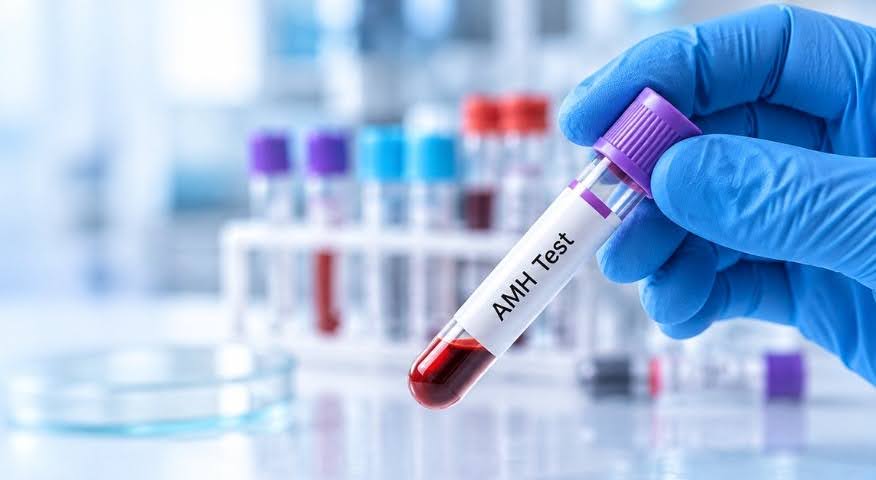
Every woman’s biology is different, though. A female fertility assessment that includes AMH levels and an antral follicle count can help clarify where you stand individually.
Egg freezing before 35: why it comes up so often
The fertility preservation age of 35 is a common reference point, and for good reason. Most published data, including guidelines from ACOG and the ASRM, note that fertility decline accelerates after 35.
Before 35, eggs are more likely to be chromosomally normal. Egg freezing before 35 can also reduce the total number of eggs needed, because younger eggs tend to have better viability after thawing.
However, 35 is not a cliff. Fertility does not suddenly stop at that point. Many women freeze eggs in their late 30s and still achieve good outcomes, as fertility after 35 is influenced by many individual factors beyond age alone.
Should you freeze your eggs at 30?
“Should I freeze my eggs at 30?” is one of the most common questions women ask fertility specialists. And the short answer is: 30 can be an excellent time to consider it.
At 30, most women still have a healthy ovarian reserve and strong egg quality. Here are a few reasons women in India are considering it at this age:
- Career or education plans that may delay starting a family by several years.
- Wanting to keep reproductive options open without feeling rushed.
- Medical conditions like endometriosis or PCOS could affect future fertility.
A pre-conception consultation at this stage can help map out what egg freezing would look like for your specific situation.
Egg freezing after 35: what changes?
After 35, the number of eggs retrieved per cycle may be lower, and a higher proportion of those eggs may carry chromosomal changes. According to the ASRM, egg freezing is generally not recommended after 38, though individual circumstances vary.
Women between 35 and 38 may still benefit, particularly if their ovarian reserve is within a healthy range. After 40, success rates drop considerably, and a detailed conversation with a fertility specialist can help weigh whether egg freezing or another approach may be more appropriate.
Egg freezing age limit: Is there a fixed cutoff?
There is no universal egg freezing age limit, but most clinics in India recommend freezing before 38 for the best outcomes.
What Indian regulations say
Under the ART (Regulation) Act, 2021, egg freezing is legal in India and available to both married and single women. The Act does not specify a strict upper age limit for egg freezing. However, the upper age limit for women undergoing ART procedures is set at 50 years. In practice, most clinics set their own internal guidelines based on clinical evidence.
Egg freezing success by age
Understanding egg freezing success by age can help set realistic expectations. Here is a general overview:
- Under 35: Egg survival rates after thawing tend to be high, typically around 85 to 95% with modern vitrification in well-equipped labs. Fewer eggs may be needed for reasonable pregnancy potential.
- 35 to 37: Outcomes remain favourable for many women, though more eggs may need to be frozen.
- 38 to 40: Success rates decline more noticeably, and multiple cycles may be needed.
- Over 40: Success rates are significantly lower, making an individualised assessment with a specialist essential.
A personalised fertility evaluation provides a much clearer picture than general statistics alone.
Women’s fertility preservation in India: the bigger picture
Egg freezing in India has grown significantly in recent years. More women are exploring fertility preservation in India as a proactive choice, particularly in cities like Mumbai, Delhi, Bengaluru, and Hyderabad.
Several factors are driving this shift:
- Delayed marriages and focus on career development.
- Greater access to information about reproductive health.
- Growing availability of advanced fertility clinics across the country.
- The ART Act, 2021, formally recognises and regulates the procedure.
If you are considering egg freezing, a few steps can help you prepare:
- Get a baseline fertility assessment, including AMH and antral follicle count.
- Discuss your timeline and goals with a fertility specialist.
- Understand costs, including the stimulation cycle, retrieval, and annual storage fees.
- If a partner’s fertility is also a consideration, a separate assessment can be helpful.
Conclusion
Deciding when to freeze your eggs is a personal decision, and there is no one-size-fits-all answer. What we do know is that age plays a significant role, and freezing earlier, ideally before 35, tends to offer the best outcomes.
At Luma fertility, we believe every woman deserves clarity and confidence when making decisions about her reproductive future. Our team offers personalised egg freezing consultations designed around your individual biology, timeline, and goals, not around averages.
If you are considering egg freezing or simply want to understand your options, book a consultation with our fertility care team. Your timeline, your terms.
Disclaimer: This content is for awareness and educational purposes only, and is not a substitute for medical advice. Always consult a qualified fertility specialist for guidance specific to your situation.
FAQs
What is the best age to freeze eggs in India?
The best age to freeze eggs is generally between 25 and 35, when egg quality and quantity tend to be at their strongest. Women in their late 20s and early 30s often get the most benefit. However, individual factors like ovarian reserve and overall health also play a role, so a consultation with a fertility specialist is always a good first step.
Is 30 a good age to freeze eggs?
Yes, 30 is often considered a practical and effective time. At this age, most women still have a healthy ovarian reserve, and eggs frozen at 30 tend to retain strong chromosomal health. For women who are not planning to start a family in the near future, freezing at 30 offers a useful window of opportunity.
Is there an age limit for egg freezing in India?
No fixed legal age limit exists for egg freezing in India. The ART (Regulation) Act, 2021, permits women to access egg freezing as part of fertility preservation. In practice, most clinics recommend freezing before 38 to 40 for the best outcomes. The upper age limit for undergoing ART procedures is 50 years.
How does age affect egg freezing success rates?
Eggs frozen before 35 generally have higher survival rates after thawing and a better chance of leading to a successful pregnancy. After 35, the proportion of chromosomally normal eggs tends to decrease. The older the eggs are when freezing, the more eggs may need to be stored to achieve similar pregnancy potential.
Can single women freeze their eggs in India?
Yes. Under the ART (Regulation) Act, 2021, single women in India are legally permitted to access egg freezing. The procedure is available regardless of marital status, and frozen eggs can be used at a later stage through IVF.
How long can frozen eggs be stored?
Frozen eggs can remain viable for many years when stored properly using vitrification. Most clinics in India follow a recommended storage duration of around 10 years. Based on current evidence, eggs are not expected to degrade during storage as long as proper conditions are maintained. Storage agreements typically specify duration and renewal terms.
Sources: