




Every month, the same quiet question can surface. Did the cycle work? Am I pregnant? And when a period arrives instead of a positive test, a mix of confusion, disappointment, or simply curiosity about what just happened inside the body is completely understandable.
You are not alone in asking these questions. Millions of women across India and around the world go through the same cycle of hope and uncertainty, and wanting to understand the process does not mean something is wrong. In fact, wanting to know more about your own body is one of the most empowering steps you can take.
A clear picture of what happens when an egg is not fertilised can turn that uncertainty into clarity. Here is a straightforward, simple look at the biological process, the hormonal shifts involved, and when changes in the cycle may need a closer look.
Key Takeaways
- An unfertilised egg typically breaks down within 12 to 24 hours after ovulation and is reabsorbed by the body.
- Progesterone and oestrogen levels decline when fertilisation does not occur, triggering the uterine lining to shed.
- Menstruation is the body’s natural reset, not a sign that something went wrong.
- A single cycle without fertilisation is not a fertility concern.
- Persistent cycle irregularities may benefit from a fertility assessment.
What Happens When an Egg Is Not Fertilised?
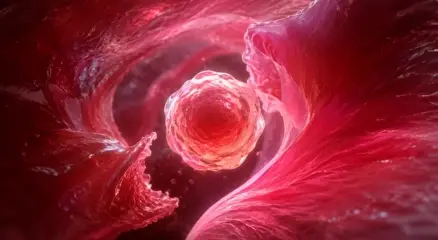
Each month, one of the ovaries releases a mature egg during ovulation. The egg travels into the fallopian tube, where fertilisation can take place if sperm are present. If sperm do not reach the egg within a narrow window of roughly 12 to 24 hours, fertilisation does not occur.
Once that window closes, the body moves through a natural sequence of steps:
- The egg is naturally reabsorbed. The unfertilised egg begins to break down. Because the egg is microscopic, the body quietly reabsorbs the cellular material without any noticeable symptoms.
- The corpus luteum completes its role. After ovulation, the empty follicle becomes a temporary structure called the corpus luteum. When no fertilised egg implants, the corpus luteum gradually transitions into a smaller, resting structure called the corpus albicans.
- Hormone levels gently shift. The corpus luteum is responsible for producing progesterone during the luteal phase. As the structure winds down, progesterone and oestrogen levels gradually decline.
- The uterine lining sheds. Without progesterone to maintain it, the thickened uterine lining (endometrium) breaks down. Blood vessels in the lining constrict, and the tissue exits the body through the vagina as menstrual flow.
- A new cycle begins. The first day of menstrual bleeding marks Day 1 of the next cycle. The brain signals the ovaries to start developing a fresh set of follicles, and the process starts again.
According to Cleveland Clinic, this gradual hormonal change is what sets off menstruation when fertilisation has not taken place. Menstrual flow itself is a combination of blood, endometrial tissue, cervical mucus, and vaginal secretions, and typically lasts between 3 and 7 days.
How Long Does an Unfertilised Egg Survive?
An egg has a very short lifespan once released from the ovary. Most clinical sources, including Cleveland Clinic, place the window at approximately 12 to 24 hours. After that, the egg is no longer available for fertilisation, and the body naturally reabsorbs it.
Sperm, on the other hand, can survive in the reproductive tract for up to five days. That gap between egg lifespan and sperm lifespan is what creates the “fertile window,” which spans the few days leading up to ovulation and includes the day of ovulation itself.
For a deeper look at how this timing affects conception planning, Luma fertility has a dedicated guide on how long an egg survives after ovulation.
Does an Unfertilised Egg Cause a Period?
One question that comes up often is whether an unfertilised egg directly causes a period. The short answer is no. Menstruation is triggered by falling progesterone levels after the corpus luteum winds down. The egg plays a role earlier in the sequence, but the hormonal shift is what actually signals the uterine lining to shed.
How Your Body Signals the Start of a New Cycle
For women tracking their cycles closely, certain physical signs can indicate that fertilisation likely did not take place during that cycle. None of these signs are definitive on their own, but together they paint a clear picture.
What You May Notice
- Premenstrual symptoms appear. Bloating, breast tenderness, mood changes, mild cramping, or fatigue in the days before a period are common signs that progesterone is dropping and menstruation is approaching.
- Basal body temperature drops. Women who track basal body temperature (BBT) may notice a drop after the luteal phase, signalling that progesterone is declining and a period is likely on its way.
- No implantation signs. Some women experience light spotting or mild cramping around 6 to 12 days after ovulation if implantation occurs. The absence of these signs, while not conclusive, can be another indicator.
- A period arrives on schedule. The most straightforward sign is the onset of menstruation itself. A period arriving within the expected window is generally the clearest indication that fertilisation did not take place during that cycle.
Cycle tracking tools, whether apps or simple paper charts, can help identify personal patterns over time. A pre-conception journey consultation may help women who want to understand their cycle patterns more thoroughly.
When a Missed Period Is Not From Fertilisation
Sometimes, though, the expected period does not arrive at all. A late or missed period does not always mean fertilisation has occurred. Several other factors can delay or skip a period entirely, and most of them are manageable with the right support.
Common Non-Pregnancy Causes
- Stress. Elevated cortisol can interfere with the hormonal signals that trigger ovulation. When ovulation is delayed, the period shifts later as well.
- Thyroid conditions. Both an underactive thyroid (hypothyroidism) and an overactive thyroid (hyperthyroidism) can disrupt cycle regularity.
- Polycystic ovary syndrome (PCOS). Hormonal imbalances associated with PCOS can lead to irregular or absent periods.
- Significant weight changes. Rapid weight gain or loss can affect hormone production and ovulation timing.
- Excessive exercise. Very intense physical training, particularly when combined with low calorie intake, can temporarily pause ovulation.
- Certain medications. Some medications, including hormonal contraceptives, can alter cycle patterns during and after use.
According to Cleveland Clinic, anovulatory cycles (where no egg is released) can still cause bleeding that resembles a period. In those cases, the bleeding comes from oestrogen fluctuations rather than the typical progesterone withdrawal.
A missed period paired with a negative pregnancy test may simply mean ovulation was delayed that month. However, if periods are consistently absent, irregular, or accompanied by other symptoms, a female fertility assessment can help identify what is going on.
When to See a Specialist
A single unusual cycle rarely signals a problem. Stress, travel, illness, or a change in routine can all shift cycle timing temporarily. However, persistent changes across multiple cycles are worth discussing with a fertility specialist.
Consider a Consultation If
- Periods have stopped for three or more months without pregnancy.
- Cycles are consistently shorter than 21 days or longer than 35 days.
- Bleeding is very heavy, soaking through a pad or tampon every hour for several consecutive hours.
- Menstrual pain is severe enough to disrupt daily activities.
- Conception has not occurred after 12 months of regular, unprotected intercourse (or 6 months for women over 35).
- Ovulation signs are absent across multiple tracked cycles.
An evaluation can include hormone level checks, an ultrasound of the ovaries, and an assessment of ovarian reserve. For couples, a male fertility assessment alongside a female evaluation often provides a more complete picture.
Conclusion
What happens to an unfertilised egg is one of the most natural processes in the body. The egg breaks down, hormone levels shift, the uterine lining sheds, and a fresh cycle begins. A single cycle without fertilisation is not a sign of a problem, and understanding the process can take the guesswork out of cycle tracking and conception planning.
At Luma fertility, we create personalised plans based on individual biology, not assumptions. Our approach combines medical expertise with genuine emotional support, because clarity about your body should never feel clinical or cold. Whether you are trying to conceive, considering egg freezing, or want clarity about your cycle, our team is here to listen and guide.
Get a free 15-min clarity call with our care team.
Disclaimer: This content is for awareness only, not a substitute for medical advice.
Frequently Asked Questions
Q. What happens to an unfertilised egg after ovulation?
After ovulation, an unfertilised egg survives for roughly 12 to 24 hours in the fallopian tube. Once that window closes, the egg begins to break down and is reabsorbed by the body. The egg is microscopic, so the process happens without any noticeable symptoms.
Q. Does an unfertilised egg cause a period?
An unfertilised egg does not directly cause a period. When fertilisation does not happen, progesterone levels drop because the corpus luteum winds down. That hormonal shift signals the uterine lining to shed, which is what triggers menstruation.
Q. Can you feel when an egg is not fertilised?
Generally, no. The egg is too small to produce any sensation when it breaks down. However, some women notice premenstrual symptoms like bloating, breast tenderness, or mood changes in the days that follow. Those symptoms come from shifting hormone levels, not from the egg itself.
Q. Does an unfertilised egg mean you cannot conceive?
No. An egg going unfertilised in a single cycle is completely normal and does not indicate a fertility concern. Fertilisation depends on many factors, including timing, egg quality, and sperm health. If conception has not happened over several months, a fertility assessment can offer helpful clarity.
Q. Can you see the egg in menstrual blood?
No. A human egg is microscopic. Even if fragments are present in menstrual flow, they are far too small to see with the naked eye. Menstrual blood is primarily made up of uterine lining tissue, blood, and cervical mucus.
Q. When should you see a specialist about irregular periods?
Consulting a specialist may help if periods stop for three or more months, cycles are consistently shorter than 21 days or longer than 35 days, bleeding is very heavy, or menstrual pain significantly disrupts daily activities. A specialist can evaluate hormonal health, ovulation regularity, and overall reproductive function.
Sources
- Cleveland Clinic. Luteal Phase of The Menstrual Cycle.
- Cleveland Clinic. Ovulation.
- Cleveland Clinic. Anovulation.
- Children’s Hospital of Philadelphia. Menstrual Cycle: An Overview.