



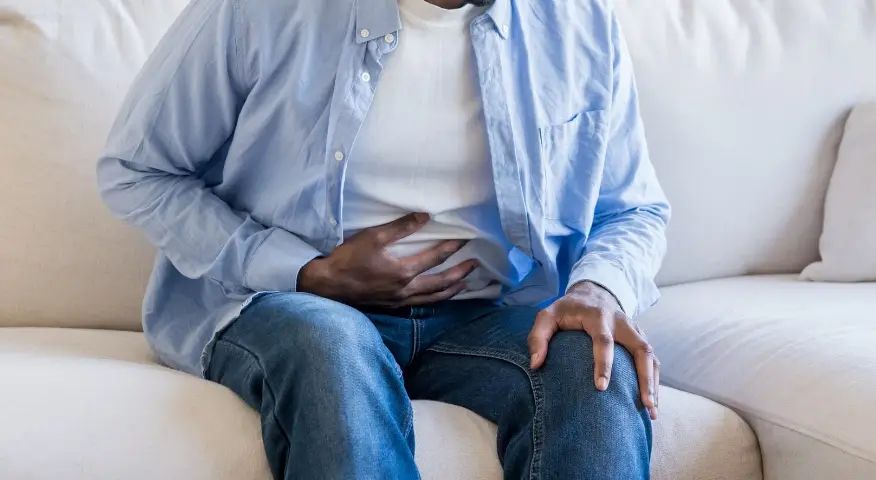
Noticing a cramp or ache during or after ejaculation can feel unsettling, especially when you are not sure what is behind it, and no one around you seems to be talking about it. You are not alone in wondering about this, and your concern deserves clear, honest answers without judgment. Sperm cramps, as they are commonly called, are usually mild and short-lived. A clearer understanding of why they happen, what the common causes are, and when a doctor’s visit makes sense can help you feel more in control of your health.
Key Takeaways
- Sperm cramps refer to pain or discomfort in the pelvic area, lower abdomen, or testicles during or after ejaculation.
- The term is not a formal medical diagnosis but a commonly used way to describe post-ejaculatory discomfort.
- Common causes include pelvic floor muscle tension, prostate irritation, infections, and dehydration.
- Most cases are mild and resolve on their own. Persistent or severe symptoms are worth discussing with a doctor for clarity.
- Sperm cramps do not typically affect fertility directly. When discomfort persists, a check-up can help identify and address any underlying factors early.
What Are Sperm Cramps?
Sperm cramps refer to pain or discomfort in the lower abdomen, pelvic area, or testicles that may occur during or after ejaculation. The term is informal and widely used rather than a clinical diagnosis. Understanding what sperm cramps mean can help reduce unnecessary worry.
Sperm Cramps Meaning
The phrase “sperm cramps” generally refers to a cramping sensation, ache, or discomfort in the lower abdomen, pelvic region, or testicles that occurs during or shortly after ejaculation. Some men also describe a dull ache in the groin area or lower back. The sensation can range from a brief, mild twinge to a sharper pain that lasts several minutes.
Medical professionals may refer to this experience as post-ejaculatory pain. A related condition, sometimes called epididymal hypertension or “blue balls,” describes testicular discomfort caused by prolonged arousal without release. While these terms overlap, they are not identical. What matters is that occasional mild discomfort after ejaculation is fairly common and usually not a sign of a serious condition.
Why Do Sperm Cramps Happen?
Several factors can contribute to this type of discomfort, including pelvic floor muscle tension, prostate or seminal vesicle irritation, infections like epididymitis, prolonged arousal without release, dehydration, and stress. Understanding why sperm cramps happen can help you figure out whether the issue needs attention or is likely to resolve on its own.
Pelvic Floor Muscle Tension
The pelvic floor muscles play a key role during ejaculation, contracting to help release semen. If these muscles are tight, overworked, or not functioning well, they may cramp or spasm. A study published in the journal Physical Therapy found that men with chronic pelvic pain, especially those reporting pain with ejaculation, had difficulty relaxing their pelvic floor muscles compared to men without pelvic pain (PubMed, 2022).
Sitting for long hours, lack of physical activity, or high stress can all contribute to pelvic floor tension. Regular movement, gentle stretching, and stress management may help reduce this kind of discomfort.
Prostate or Seminal Vesicle Irritation
The prostate gland and seminal vesicles produce the fluid that makes up the majority of semen. When either of these structures becomes irritated or inflamed, ejaculation can trigger pain or a cramping sensation.
Prostatitis, or inflammation of the prostate, is one of the more recognised causes of ejaculatory discomfort. According to the NCBI StatPearls resource, pelvic pain linked to ejaculation is one of the most commonly reported symptoms of chronic prostatitis, affecting roughly 70% of men with the condition (NCBI, StatPearls). Prostatitis can be caused by bacterial infections, nerve-related issues, or pelvic floor muscle dysfunction.
Epididymitis and Infections
Epididymitis refers to inflammation of the epididymis, a coiled tube behind each testicle that stores and carries sperm. Bacterial infections, including sexually transmitted infections like chlamydia or gonorrhoea, are among the common triggers. According to the Cleveland Clinic, epididymitis can occur at any age but is most frequently seen in men between 14 and 35 years of age (Cleveland Clinic).
Orchitis, or inflammation of one or both testicles, can also cause discomfort during or after ejaculation. When an infection is involved, the condition usually responds well to treatment with antibiotics.
Prolonged Arousal Without Release
One of the most common and generally harmless reasons for testicular discomfort is prolonged sexual arousal without ejaculation. During arousal, blood flow to the genital area increases. If ejaculation does not occur, the built-up pressure and congestion in the area may cause aching or a cramping feeling. A male fertility assessment is not typically needed for occasional episodes like this, as the discomfort usually fades on its own once arousal subsides.
Dehydration and Stress
Dehydration may contribute to muscle cramps anywhere in the body, including the pelvic region. Not drinking enough water can make cramping more likely after ejaculation. Similarly, mental stress and anxiety can cause physical tension, particularly in the pelvic floor muscles, which may then lead to spasm-related discomfort.
Symptoms to Watch For
Recognising the signs associated with sperm cramps can help you decide whether the discomfort is routine or something that warrants a visit to the doctor.
Common symptoms may include:
- A sharp or dull ache in the lower abdomen, groin, or testicles during or after ejaculation
- A lingering sense of heaviness or pressure in the pelvic area
- Mild tenderness in the testicular or groin region
Signs worth checking with a doctor include:
- Pain that is severe, worsening, or lasting several hours
- Swelling, redness, or warmth in the scrotum
- A burning sensation during urination or ejaculation
- Fever or chills alongside the discomfort
- Blood in the urine or semen
- Unusual discharge from the penis
If any of these signs are present, consulting a doctor can help identify the cause and give you clarity on the right next step.
When Should You See a Doctor?
Occasional, mild cramping after ejaculation that goes away within a few minutes is usually nothing to worry about. However, seeing a doctor is a sensible step if the pain is:
- Frequent or recurring with most ejaculations
- Getting worse over time
- Accompanied by urinary symptoms or discharge
- Severe enough to interfere with daily activities or sleep
A doctor may perform a physical examination, order urine or blood tests, recommend a semen analysis, or suggest imaging such as an ultrasound to check for underlying conditions like epididymitis, prostatitis, or varicocele (enlarged veins within the scrotum).
Simple Ways to Manage Sperm Cramps at Home
For mild and occasional discomfort, a few simple lifestyle adjustments may help reduce the frequency and intensity of sperm cramps.
- Stay hydrated. Drinking enough water throughout the day can support muscle function and reduce the chance of cramping.
- Practice relaxation. Stress is a common contributor to pelvic floor tension. Deep breathing, meditation, and yoga can help ease that tension.
- Try gentle pelvic stretches. Stretching the hip flexors, lower back, and pelvic floor can help reduce muscle tightness that may contribute to cramping.
- Apply a warm compress. Placing a warm (not hot) compress on the lower abdomen or pelvic area can help relax the muscles.
- Move regularly. Avoiding long periods of sitting and staying physically active supports blood flow and reduces muscle stiffness.
If the discomfort does not respond to these measures, or if symptoms worsen, a healthcare professional can help you understand what is happening and suggest the right approach. Over-the-counter pain relief such as ibuprofen may offer short-term comfort, and a doctor can guide you further if the discomfort continues.
Can Sperm Cramps Affect Fertility?
For couples who are starting a pre-conception journey or trying to conceive, you may wonder whether sperm cramps can have an impact on fertility. In most cases, mild and occasional cramping after ejaculation is unlikely to affect sperm health or the ability to conceive.
However, if sperm cramps are linked to an underlying condition such as epididymitis, prostatitis, or varicocele, early evaluation can help protect sperm quality and reproductive function. Conditions like these are often treatable, and timely care can make a meaningful difference. In some situations, couples may also explore assisted reproductive options like IVF to support conception.
Addressing the root cause early, rather than ignoring persistent symptoms, can be a helpful approach. A comprehensive male fertility assessment can help identify whether any underlying issue is present and guide the right course of action.
Conclusion
Sperm cramps are a common but often unspoken experience. Most of the time, they are mild, short-lived, and harmless. Knowing what sperm cramps are and why they may occur can help ease unnecessary worry and guide better decisions about when to seek help.
At Luma fertility, we approach male reproductive health with the same care and attention as every other part of the fertility journey. Our male fertility assessment provides a thorough, private, and comfortable evaluation, including semen analysis, hormonal profiling, and personalised guidance. Partners can also explore a female fertility assessment for a complete picture of reproductive health. If you or your partner have questions, we are here to help.
Book a consultation with our fertility care team
Disclaimer: This content is for educational and informational purposes only, not a substitute for medical advice. Please consult a qualified healthcare professional for any health concerns.
FAQs
Q: What are sperm cramps exactly?
Sperm cramps refer to pain or discomfort in the lower abdomen, pelvic area, or testicles that may occur during or after ejaculation. The term is not a formal medical diagnosis but is widely used to describe post-ejaculatory discomfort, which can range from a brief ache to a sharper cramping sensation.
Q: Are sperm cramps a sign of something serious?
In most cases, no. Occasional, mild cramping after ejaculation usually resolves on its own and is unlikely to point to a serious issue. However, if the pain is severe, frequent, or accompanied by symptoms like fever, swelling, blood in urine or semen, or painful urination, consulting a doctor is important.
Q: Can dehydration cause sperm cramps?
Dehydration may contribute to muscle cramps throughout the body, including in the pelvic region. Drinking enough water daily supports healthy muscle function and can help reduce the likelihood of cramping after ejaculation.
Q: Do sperm cramps affect the ability to conceive?
Mild and occasional sperm cramps typically do not affect fertility. However, if the discomfort is caused by an underlying condition like epididymitis, prostatitis, or varicocele, timely evaluation and treatment can help protect sperm quality. Early care makes a real difference.
Q: How long do sperm cramps usually last?
For most men, sperm cramps last only a few seconds to a few minutes after ejaculation. The discomfort usually fades on its own. If cramping persists for more than an hour or occurs frequently, it may be worth discussing with a healthcare provider.
Q: When should someone see a doctor for sperm cramps?
A doctor visit is recommended if the pain is severe or worsening, if cramping happens with nearly every ejaculation, or if there are additional symptoms such as swelling, discharge, blood in semen or urine, or difficulty urinating. Persistent discomfort deserves a proper evaluation.
Sources
- Morin, M. et al. (2022). Impaired Ability to Relax Pelvic Floor Muscles in Men With Chronic Prostatitis/Chronic Pelvic Pain Syndrome. Physical Therapy. https://pubmed.ncbi.nlm.nih.gov/35576002/
- Pendegast, H.J., Leslie, S.W., Rosario, D.J. (2024). Chronic Prostatitis and Chronic Pelvic Pain Syndrome in Men. StatPearls, NCBI Bookshelf. https://www.ncbi.nlm.nih.gov/books/NBK599550/
- Cleveland Clinic. (2024). Epididymitis: Causes, Symptoms, Diagnosis & Treatment. https://my.clevelandclinic.org/health/diseases/17697-epididymitis
- Mayo Clinic. (2023). Epididymitis: Symptoms and Causes. https://www.mayoclinic.org/diseases-conditions/epididymitis/symptoms-causes/syc-20363853
- Rupp, T.J. & Leslie, S.W. (2023). Epididymitis. StatPearls, NCBI Bookshelf. https://www.ncbi.nlm.nih.gov/books/NBK430814