



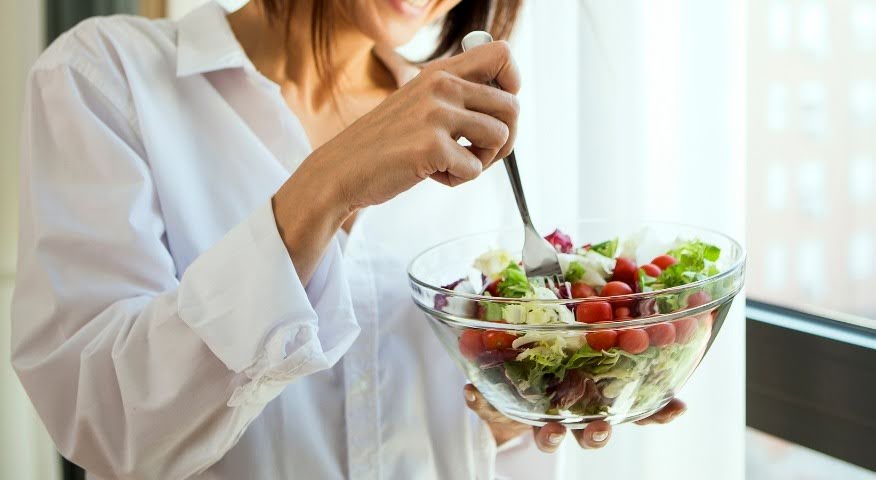
If you are going through an IVF cycle, we understand how much you are already managing. Between the injections, the scans, and the waiting, wondering whether what you eat actually matters is completely natural. You are not overthinking things. Nutrition may not replace any part of your fertility treatment, but what you put on your plate during each phase can play a quiet, supportive role. While no single food determines the outcome, small, informed choices may help create a more favourable environment for your body while your medical team handles the rest.
A Mediterranean-style eating pattern rich in whole grains, vegetables, dal, healthy fats, and lean protein may support egg quality during IVF. Prioritise protein and hydration during stimulation, choose light meals around retrieval, and maintain balanced nutrition through the two-week wait. Limit processed foods, excess caffeine, alcohol, and trans fats throughout your cycle.
Key Takeaways
- Each phase of an IVF cycle places different demands on your body, and your plate can respond to those needs.
- A Mediterranean-style eating pattern has been associated with better IVF outcomes in multiple studies.
- Protein, hydration, and anti-inflammatory foods may be especially relevant during stimulation and around egg retrieval.
- Foods to avoid during IVF include ultra-processed snacks, excess caffeine, alcohol, and trans fats.
- Home-cooked Indian meals built around dal, sabzi, roti, and seasonal produce already offer a strong nutritional foundation.
- A personalised IVF diet plan guided by your fertility team can account for your individual health profile.
Why Nutrition Matters During an IVF Cycle
Knowing why food choices matter during treatment helps put the rest of this guide in context.
Egg Development Starts Months Before Retrieval
Eggs retrieved during an IVF cycle have been developing inside the ovaries for approximately 90 days before collection. What you eat during those months may influence how well each egg matures and responds to fertilisation. Starting to eat well two to three months before your cycle gives your body the best nutritional window.
What the Research Suggests
A 2019 study in Reproductive Biology and Endocrinology observed that women with greater adherence to a Mediterranean-style diet obtained more viable embryos during IVF (PMC6720942). Separate research published in Human Reproduction (2018) found that non-obese women under 35 who closely followed this diet had notably higher clinical pregnancy and live birth rates (PubMed: 29390148).
Indian Meals Already Fit the Pattern
A traditional Indian thali, with dal, sabzi, whole wheat roti, curd, and seasonal vegetables, already covers multiple food groups linked to better fertility outcomes. Swapping white rice for millets like jowar and bajra, choosing cold-pressed groundnut or sesame oil, and reducing packaged snacks can bring everyday meals even closer to what the research supports.
What to Eat During Stimulation
During stimulation, which typically lasts 8 to 14 days, your ovaries are responding to hormonal medications and developing multiple follicles. Your body is doing more metabolic work than usual, and your nutritional needs shift accordingly.
Prioritise Protein
Adequate protein may help manage fluid balance as the ovaries enlarge and support your body through the demands of stimulation. Dal, paneer, eggs, chicken, and fish like rawas (Indian salmon) or bangda (mackerel) are all accessible options. Aim for a source of protein at every meal.
Focus on Anti-Inflammatory Foods
Omega-3 fatty acids, found in walnuts, flaxseeds, and oily fish, may help reduce inflammation and support hormonal balance. A handful of walnuts or a teaspoon of ground flaxseed in your morning meal is a practical addition.
Stay Well Hydrated
Drinking 8 to 10 glasses of water daily helps your body process the hormonal medications used during stimulation. Coconut water and nimbu pani are also good choices. Adequate hydration may also help reduce the risk of ovarian hyperstimulation syndrome (OHSS), which your doctor will be monitoring.
A Sample Stimulation-Phase Plate
- Breakfast: Moong dal chilla with curd, or a ragi dosa with coconut chutney
- Mid-morning: Soaked almonds and walnuts with a seasonal fruit
- Lunch: Brown rice or jowar roti, dal, a green sabzi, and curd
- Evening: Roasted makhana or chana with herbal tea
- Dinner: Whole wheat roti, paneer or egg curry, and a small bowl of sprouts
What Should You Eat Around Egg Retrieval?
Egg retrieval is a short procedure, but your body needs gentle support in the days surrounding it. Bloating or mild discomfort is common as the ovaries may still be enlarged.
Keep Meals Light and Stay Hydrated
In the one to two days after retrieval, foods that are easy on the stomach can help. Khichdi, dal rice, soft idlis, and warm soups are all gentle options. Avoid heavy, greasy, or fried meals during this window. Water, coconut water, and clear broths remain especially important and may help ease any mild OHSS symptoms.
Support Recovery with Key Nutrients
Folate supports healthy cell division and early embryo development. Dark leafy greens like palak (spinach) and methi (fenugreek leaves), along with moong dal and chana, are natural sources. Higher folate levels during IVF treatment have been associated with better live birth rates (PMC4172634). Zinc, found in pumpkin seeds, til (sesame seeds), and chickpeas, also plays a role in egg maturation (PMC9353397).
Nutrition in the Two-Week Wait After Transfer
The two-week wait between embryo transfer and the pregnancy test can feel like the longest stretch of the entire cycle. Continuing a balanced eating pattern during this phase still makes sense. While no specific “implantation food” has been identified, the nutrients that supported your body through stimulation and retrieval remain just as relevant now.
What the Evidence Does Support
Low vitamin D levels have been associated with lower live birth rates after IVF (PMC5807754), and supplementation has been linked to improved embryo quality (PMC11147876). Safe morning sunlight, eggs, fortified dairy, and fatty fish can all help maintain healthy vitamin D levels.
Skip the Myths
You may have heard that eating pineapple core, pomegranate juice, or Brazil nuts can boost implantation. These foods are nutritious and will not cause harm, but no published clinical evidence supports the claim that any of them specifically improves implantation rates. Enjoying them as part of a balanced plate is perfectly fine, without the pressure of expecting a specific result.
Focus on What You Can Control
Eating regular meals, staying hydrated, getting 7 to 8 hours of sleep, and keeping movement gentle are all reasonable choices. Melatonin, produced during deep sleep, has antioxidant properties that may help protect developing eggs, making quality rest one of the simplest forms of support.
What Foods and Habits Should You Avoid During Your IVF Cycle?
Just as certain foods may support your cycle, being mindful of a few dietary choices can help you stay on track.
Ultra-Processed Foods and Refined Sugar
Packaged biscuits, chips, sweetened drinks, and maida-heavy snacks can promote insulin resistance and low-grade inflammation, both of which may negatively affect ovarian function. Cutting back on refined sugar during your cycle is a reasonable step, particularly for women managing PCOS alongside fertility treatment.
Excess Caffeine
ACOG recommends keeping caffeine intake below 200 mg per day during pregnancy planning. A meta-analysis in Acta Obstetricia et Gynecologica Scandinavica found no clear link between moderate caffeine intake and reduced IVF pregnancy rates (PMC9812114). Still, most fertility specialists suggest limiting intake to one to two cups of filter coffee or tea per day.
Alcohol
Several studies have associated alcohol consumption around the time of IVF treatment with lower success rates. Avoiding alcohol entirely during your cycle is the safest approach, and most specialists recommend doing so.
Trans Fats
Research has shown that replacing just 2% of energy from carbohydrates with trans fats is associated with a 73% higher risk of ovulatory issues (PMC9029579). Trans fats are found in vanaspati (hydrogenated vegetable oil), commercially fried street food, and some packaged snacks. Checking labels for “partially hydrogenated” oils is a helpful habit.
Raw or Undercooked Foods
Raw eggs, undercooked meat, and unpasteurised dairy carry a risk of bacterial infections like listeriosis. Any infection during an IVF cycle can complicate treatment timelines, so food safety standards matter.
How Luma’s Diet and Nutrition Plan Supports Your Cycle
Knowing what to eat during an IVF cycle is one thing. Putting it into practice across each phase, while managing medications and emotional ups and downs, is another. Every person’s body responds differently, and women managing conditions like PCOS, thyroid disorders, or endometriosis may have different nutritional needs. A male fertility assessment can also reveal whether a partner’s diet needs attention.
Luma fertility’s Diet and Nutrition Plan is designed to work alongside your IVF protocol as an integrated part of treatment. Your fertility specialist and a nutritionist collaborate to build a personalised eating plan that adjusts as your cycle progresses, accounting for your health profile and the specific demands of your protocol.
For a broader look at how everyday eating habits support conception, our guide on fertility diet tips is a helpful companion read.
Conclusion
Eating well during your IVF cycle is not about following a rigid plan. A few consistent, nourishing choices, matched to what each phase asks of your body, can meaningfully support what your medical team is working hard to do.
At Luma fertility, our specialists in Mumbai work with each person to build a plan that considers nutrition, emotional wellbeing, and medical precision together. There are no cookie-cutter plans here, just care that fits your situation.
If you are preparing for an IVF cycle or want personalised guidance on nutrition during treatment, speak to a fertility expert today.
Note: The information in this article is for educational and awareness purposes only. Please consult a qualified fertility specialist or registered dietitian for personalised medical advice. No content here should be treated as a substitute for professional guidance.
Frequently Asked Questions
Q. What should I eat during an IVF cycle?
During an IVF cycle, focus on whole grains, fresh vegetables, lentils, nuts, seeds, and healthy fats. A home-cooked Indian thali with dal, sabzi, roti, and curd already covers many nutrient groups that may support egg quality. Adjusting your plate to match each phase, such as increasing protein during stimulation, can further support your body.
Q. What foods should I avoid during IVF?
During IVF, limit ultra-processed snacks, excess caffeine (more than 200 mg per day), alcohol, trans fats (found in vanaspati and deep-fried packaged foods), and raw or undercooked meats.
Q. Does diet affect IVF success?
Diet alone cannot determine the outcome of an IVF cycle, but research suggests that nutrient-dense eating patterns, particularly a Mediterranean-style diet, may support better egg quality and hormonal conditions.
Q. How early should I change my diet before starting IVF?
Starting two to three months before your cycle is ideal, since eggs take roughly 90 days to develop before retrieval. Even small changes closer to the cycle start can still help.
Q. Are supplements necessary during IVF?
Many specialists recommend folic acid, vitamin D, and sometimes omega-3 supplements during IVF preparation. Supplements should always be taken under medical guidance. A fertility assessment and blood work can help your doctor determine what you need.
Q. Can my partner’s diet affect IVF outcomes?
Yes. Sperm quality is influenced by nutrition and overall health. Adequate zinc, antioxidants, and omega-3 intake may support sperm health. A male fertility assessment can help identify dietary or lifestyle changes that may make a difference.
Q. Should I avoid sugar during IVF?
Cutting back on refined sugar during IVF is generally a reasonable step. Packaged sweets, sugary drinks, and maida-heavy snacks can promote insulin resistance and low-grade inflammation, both of which may negatively affect ovarian function. Whole fruits, jaggery in moderation, and naturally sweet foods are better alternatives during your cycle.
Q. Can I drink coffee during IVF?
Moderate coffee intake, around one to two cups of filter coffee per day, is generally considered acceptable during IVF. ACOG recommends keeping total caffeine below 200 mg daily during pregnancy planning, and most fertility specialists suggest staying within that limit as a reasonable precaution.
Q. Does the same nutrition advice apply if I am freezing my eggs?
Much of the same guidance applies, since egg freezing also involves ovarian stimulation and egg retrieval. Prioritising protein, staying hydrated, and following a nutrient-dense eating pattern in the months before your cycle may support egg quality regardless of whether the eggs are used immediately or preserved for later.
Sources
- Sun, H. et al. (2019). Mediterranean diet improves embryo yield in IVF: a prospective cohort study. Reproductive Biology and Endocrinology, 17:73. PMC6720942
- Karayiannis, D. et al. (2018). Adherence to the Mediterranean diet and IVF success rate among non-obese women attempting fertility. Human Reproduction, 33(3), 494–502. PubMed: 29390148
- Gaskins, A.J. et al. (2014). Dietary folate and reproductive success among women undergoing assisted reproduction. Obstetrics & Gynecology, 124(4), 801–809. PMC4172634
- Cozzolino, M. et al. (2024). Supplementation with vitamin D improves embryo quality in IVF programs. Journal of Endocrinological Investigation. PMC11147876
- Zhao, J. et al. (2018). Whether vitamin D was associated with clinical outcome after IVF/ICSI: a systematic review and meta-analysis. Reproductive Biology and Endocrinology, 16:13. PMC5807754
- Jurczewska, J. & Szostak-Węgierek, D. (2022). The Influence of Diet on Ovulation Disorders in Women. Nutrients, 14(8), 1556. PMC9029579 (Citing: Chavarro, J.E. et al. (2007). The American Journal of Clinical Nutrition, 85(1), 231–237.)
- Rao, W. et al. (2022). The association between caffeine and alcohol consumption and IVF/ICSI outcomes: A systematic review and dose-response meta-analysis. Acta Obstetricia et Gynecologica Scandinavica, 101(12), 1351–1363. PMC9812114
- Giudice, F.D. et al. (2022). Diet and Reproductive Health: The Role of Nutrients and Dietary Patterns in Female Infertility. Nutrients. PMC9353397