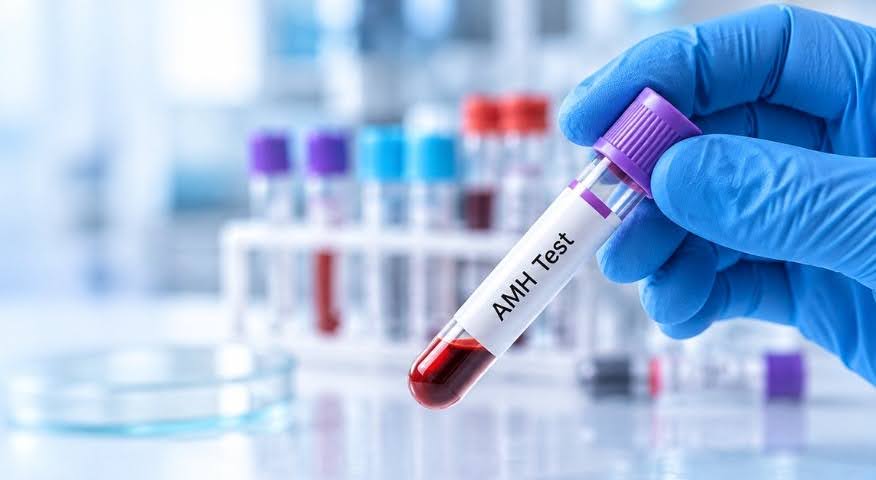




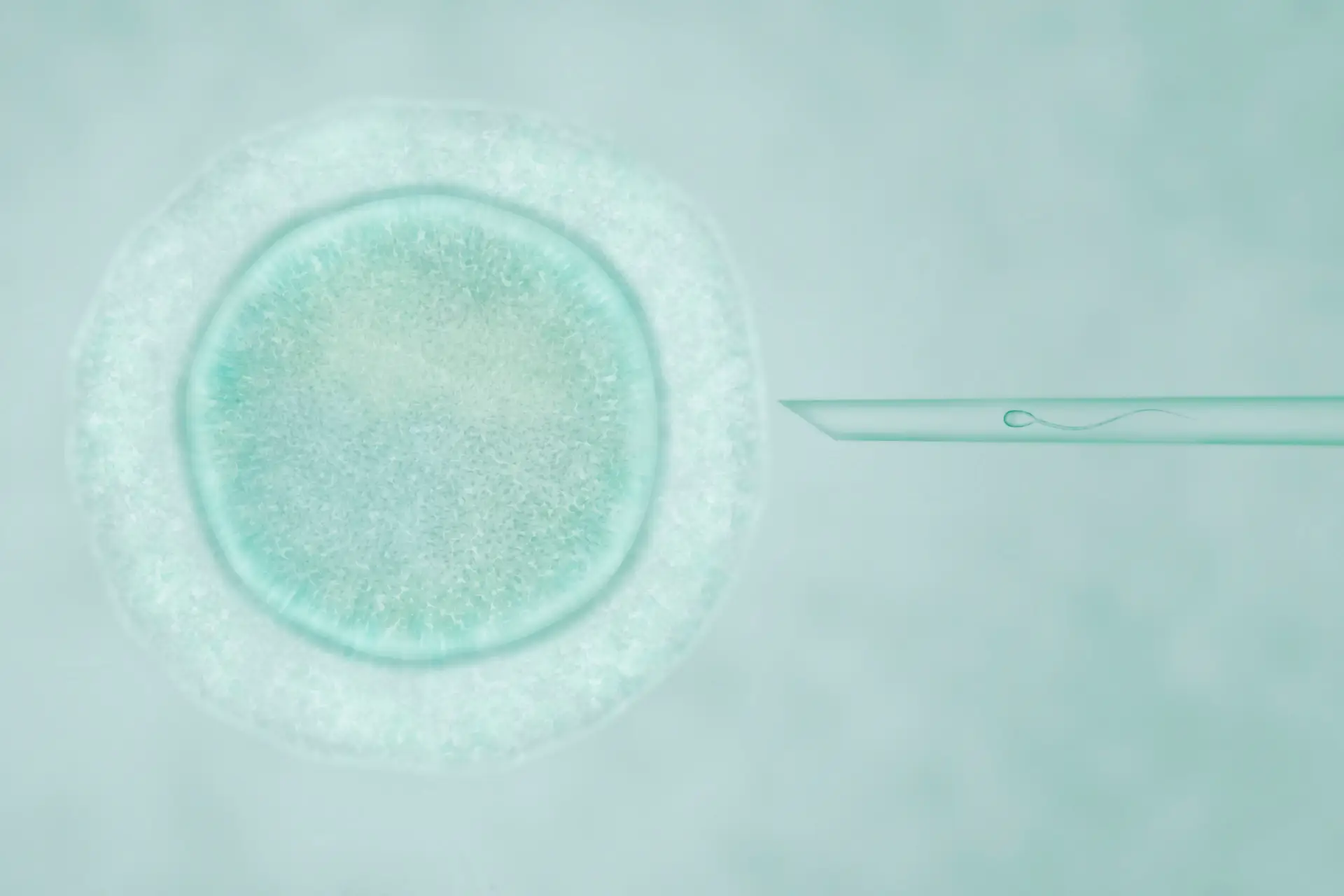
Mini-IVF and traditional IVF differ mainly in medication dosage, cost, and expected outcomes. Mini-IVF uses lower hormone doses, making it less invasive and more affordable, but it typically retrieves fewer eggs and may have lower success rates, while traditional IVF involves higher stimulation, offering higher success rates and more embryos for freezing. Traditional IVF though can be more expensive and physically demanding. The right choice depends on your age, fertility diagnosis, finances, and personal comfort, best planned with your fertility specialist.
A number of decisions, some minor, some major, are frequently made over the course of reproductive treatment. One such instance when exploring IVF treatment procedure is whether to opt for “Minimal IVF” or traditional IVF. Although they both provide a route to parenting, their methods, expenses, and expectations differ. Understanding the difference between the two can help determine the right option in your IVF journey. We will guide you through it in this post with sincere commitment to your welfare.
What is Mini-IVF?
Also known as minimal IVF, Mini IVF is a milder form of IVF procedure. Minimal IVF uses lower doses of oral medications to stimulate the ovaries, in contrast to the high doses of injectable hormones typically used in traditional IVF. Retrieving fewer eggs with higher quality, which you can find out after an egg quality test or an ovarian reserve testing, is the aim in order to lessen the severity of the treatment and the dangers of hyperstimulation.

Pros of Mini-IVF:
- Lower Medication: Because mini-IVF uses fewer hormones, it may be a more desirable choice for people who wish to stay away from high-dose drugs. Ovarian hyperstimulation syndrome (OHSS), a disease that can arise during a standard IVF treatment procedure when the ovaries are overstimulated, may be less likely to occur with the reduced stimulation strategy.
- Cost-Effective: Mini-IVF treatment cost can be less than standard IVF due to lower medication expenses and occasionally fewer monitoring visits. Those who wish to strike a balance between cost and success rates could find this option appealing.
- Less Invasive: Mini-IVF involves fewer injections and may be less stressful for individuals who prefer a more natural approach. This less intensive female fertility treatment can also be appealing to those who want to minimize the physical and emotional strain of the IVF process.
- Focus on Quality Over Quantity: While traditional IVF aims to retrieve as many eggs as possible, Mini-IVF focuses on retrieving a smaller number of higher-quality eggs. This approach might work well for women who produce fewer eggs naturally. You can know more after an egg quality test.
Cons of Mini-IVF:
- Fewer Eggs Retrieved: While the quality of eggs retrieved may be better, the overall number is lower compared to traditional IVF. This could be a downside for people who want more embryos to increase their chances of success or for those considering embryo freezing for future use.
- Lower Success Rates: Because fewer eggs are retrieved, there is a smaller chance of achieving a successful pregnancy compared to traditional IVF. According to the Society for Assisted Reproductive Technology (SART), traditional IVF tends to have higher overall success rates, particularly in younger women.
- Not for All Patients: Mini-IVF may not be the best option for everyone, especially those with certain fertility issues that require more intensive treatment. Women with diminished ovarian reserve, known post an egg reserve test, or more complex fertility challenges may benefit more from traditional IVF.
What is Traditional IVF?
Traditional IVF, or full stimulation IVF procedure, involves using higher doses of IVF medicine to stimulate the ovaries to produce multiple eggs. These eggs are then retrieved, and fertilized in an IVF lab, followed by an IVF embryo transfer back into the uterus or frozen for future use. For many years, traditional IVF has been the go-to reproductive procedure because it produces more eggs, which increases success rates.
Pros of Traditional IVF
- Higher Success Rates: Traditional IVF success rates are higher, especially for younger women and those who produce a larger number of eggs. According to SART, the live birth rate for women under 35 undergoing traditional IVF is about 52%, compared to lower rates with Mini-IVF.
- More Eggs for Embryo Freezing: Traditional IVF allows for embryo freezing, which might be helpful for family planning or future fertility procedures because more eggs are recovered.
- Flexible Treatment Options: Traditional IVF can be tailored to specific fertility issues, such as male factor infertility. The ability to produce additional eggs also allows physicians and patients greater freedom in choosing the highest-quality embryos.
Cons of Traditional IVF:
- Higher Cost: The medication and monitoring required for traditional IVF make IVF charges higher than mini-IVF. Some people or couples may find this to be an obstacle, especially if several cycles are required.
- Increased Risk of OHSS: Ovarian hyperstimulation syndrome, which can occasionally result in more serious consequences like bloating and pain, can be made more likely by the higher dosage of IVF medicine used in traditional IVF.
- More Physically Demanding: Conventional IVF entails more frequent monitoring, more injections, and frequently more emotional fluctuations. The severity of the treatment may be too much for some people to handle.
Conclusion
When choosing between mini-IVF and conventional IVF, it is never one size fits all. The method appropriate for you depends on a number of factors, including age, underlying health conditions, fertility diagnosis, financial situation, and emotional state. The most important step is discussing your options with your doctor.
Both regular IVF and mini-IVF provide hope for starting a family; choosing which one is a very personal decision, and we are here to help, whether you are just starting out or have encountered some difficulties. If you’re looking for trusted IVF treatment in Mumbai, our team is here to guide you every step of the way. It all comes down to finding the approach that best suits you, your health, and your future.
FAQs:
Q. What is the main difference between Mini-IVF and traditional IVF?
Ans. The primary difference is in the amount of medication used. Mini-IVF uses lower doses or oral medications to stimulate fewer eggs, while traditional IVF uses higher doses to stimulate more eggs. Mini-IVF is generally less invasive and may cost less, but traditional IVF results typically have higher success rates.
Q. Can I freeze embryos with Mini-IVF?
Ans. Yes, but because Mini-IVF retrieves fewer eggs, you may have fewer embryos available for freezing. Traditional IVF, on the other hand, typically retrieves more eggs, allowing for embryo freezing for future use.
Q. Is Mini-IVF less stressful than traditional IVF?
Ans. Mini-IVF may be less physically demanding due to the lower number of injections and less frequent monitoring. It can also be emotionally easier for some people because it involves a gentler approach. However, both treatments can be emotionally challenging, and it’s essential to have a support system in place.
Q. How do I know which IVF option is right for me?
Ans. Choosing between Mini-IVF and traditional IVF depends on various factors, including your age, fertility diagnosis, financial considerations, and overall health. Considering consulting with a fertility specialist in Bandra West, Mumbai to determine which option aligns best with your needs.