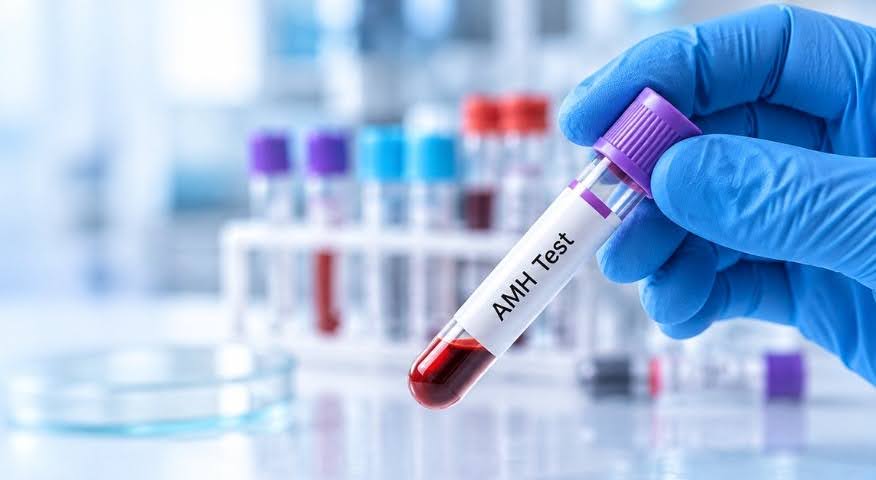





The two-week wait (TWW) after an embryo transfer lasts roughly 10 to 14 days. Common two-week wait symptoms that individuals experience during this period include mild cramping, light spotting, breast tenderness, bloating, and fatigue. Most of these sensations are caused by progesterone medication rather than pregnancy itself, and only a blood test can confirm the outcome.
The embryo transfer is done. Now comes the part many people find the most challenging: the wait. During the TWW, every cramp, twinge, or wave of fatigue can feel like a sign or a warning.
A quick note before we go further. Symptoms during the TWW are not a reliable way to know whether you are pregnant. Some people feel a lot. Some feel nothing at all. Both groups end up with positive tests. The only way to confirm a pregnancy after IVF is through a blood test called a beta hCG test (a blood measurement of human chorionic gonadotropin, the hormone produced in early pregnancy) ordered by your clinic.
With that in mind, here is a straightforward, day-by-day look at what may happen in your body during the two-week wait, what those sensations could mean, and what you can safely set aside as normal.
What happens inside the uterus after an embryo transfer?
Before jumping into the two-week wait, a little context helps with the symptoms that are commonly reported. Most clinics today transfer a blastocyst (a day-5 embryo). Whether you had a fresh transfer or are working with a previously frozen embryo, the timeline after transfer is the same. Once placed in the uterus, the blastocyst goes through a series of steps before a pregnancy can be detected.
- Days 1 to 2 after transfer: The blastocyst hatches out of its outer shell and begins attaching to the uterine lining.
- Days 3 to 5: The embryo burrows deeper into the lining. The cells that will form the placenta start to develop.
- Day 6 onward: If implantation is successful, the embryo begins producing hCG (human chorionic gonadotropin), the hormone that pregnancy tests detect.
None of these steps produces obvious physical sensations on its own. What you feel during the TWW is more often related to the hormonal medications you are taking (especially progesterone) than to the embryo itself.
Days 1 to 3: settling in
The first few days are usually quiet. Your clinic may have asked you to take it easy for 24 to 48 hours, but strict bed rest is no longer recommended. The American Society for Reproductive Medicine (ASRM) issued a Grade A recommendation against bed rest after embryo transfer, based on evidence that it provides no benefit and may actually reduce pregnancy rates.
What you may notice
Mild cramping is common in this window. Cramps after embryo transfer can result from the transfer procedure itself, where a thin catheter passes through the cervix. Progesterone supplements (vaginal or injectable) can also cause a crampy, heavy feeling in the lower abdomen.
Fatigue and bloating may carry over from the stimulation phase of your cycle. Some people also feel emotionally drained, which makes sense given the buildup to this point.
What it likely means: Most sensations in the first three days are related to the procedure and your medications, not the embryo. What you feel, or do not feel, at this stage is very unlikely to tell you anything about the outcome.
Days 4 to 6: implantation may be underway
Around this time, the embryo is completing the process of attaching to the uterine lining. Implantation is a microscopic event, so you will not feel the embryo physically burrowing in. However, the hormonal environment in your body is shifting.
Sensations that sometimes show up
Some people report light twinges or pulling sensations in the lower belly. Others notice increased bloating or breast tenderness. A few may experience very light spotting, which can be pink or brown.
Keep in mind that progesterone, whether your body’s own or the supplements you are taking, causes many of the same symptoms as early pregnancy. Sore breasts, bloating, and mild cramping are all well-known side effects of progesterone support.
Day 7: the midpoint
Day 7 is often the point where anxiety peaks. You are past the halfway mark, and the wait can start to feel heavier. Many people search for tww symptoms day by day around this point, hoping for reassurance.
Spotting around 7 days post-transfer
Spotting 7dpt (7 days post-transfer) is something many people ask about. Light pink or brown spotting around this time may be related to:
- Implantation bleeding, where tiny blood vessels in the uterine lining break as the embryo settles in
- Cervical sensitivity from progesterone suppositories
- Normal hormonal fluctuations
Spotting at this stage is not uncommon and does not automatically mean something is wrong. Equally, not spotting does not mean anything negative. A personalised fertility assessment can help your care team understand your individual response patterns, but during the TWW, the best approach is to note the spotting and mention it at your next clinic visit.
When to call your clinic: Reach out if the bleeding is heavy (soaking a pad), bright red, or accompanied by severe pain.
Days 8 to 10: hormonal shifts may increase
If implantation has happened, hCG production is now picking up. In a viable early pregnancy, hCG levels typically double approximately every 48 to 72 hours. Some people start to notice more distinct changes in how they feel.
Symptoms that may appear
- Breast tenderness or swelling
- Increased fatigue or feeling unusually sleepy
- Mild nausea or a metallic taste in the mouth
- Mood swings or heightened emotions
- Increased thirst or appetite
A word of caution: every single one of these symptoms can also be caused by progesterone and oestrogen supplements. Many people who are not pregnant after a transfer experience the exact same things. A personalised IVF protocol accounts for individual hormonal responses, but even with the most tailored plan, medication side effects overlap heavily with early pregnancy signs.
Days 11 to 14: the final stretch
You are close to your scheduled blood test now. hCG levels, if present, may be high enough for detection.
What the last few days may feel like
Some people report that their symptoms intensify. Nausea, breast soreness, and fatigue may become more noticeable. Others feel like their symptoms fade, which can be alarming but is not necessarily a bad sign.
Should you take a home pregnancy test? Most clinics advise waiting for the blood test. Home urine tests can give false negatives, meaning the test shows a negative result even though a pregnancy may be present, if taken too early, because hCG levels may not yet be high enough to register on a urine strip. A blood test is far more sensitive and accurate. According to published data, a serum beta hCG test performed 12 to 14 days after transfer is widely considered the standard for confirming pregnancy after IVF (Poikkeus et al., Human Reproduction, 2002; Reproductive Biology and Endocrinology, 2022).
Symptoms that can show up at any point during the TWW
Not every symptom follows a neat day-by-day pattern. Some things can happen on day 3 or day 12, or not at all. Common TWW symptoms include mild to moderate cramping (very common with progesterone use), light spotting or brown discharge, bloating and gas, headaches, mood changes including tearfulness or irritability, trouble sleeping or sleeping more than usual, changes in appetite, and lower back discomfort.
None of these symptoms, individually or together, can confirm or rule out pregnancy. A thorough evaluation, including female fertility testing and male fertility assessment, gives your care team the full picture. During the TWW, however, a blood draw is the only reliable next step.
Can you have no symptoms and still be pregnant?
Yes. Clinical estimates suggest that roughly 10 to 15 per cent of people report no noticeable symptoms at all during the TWW, and many of them go on to have confirmed pregnancies. According to Dr Tanmoy Mukherjee, a reproductive endocrinologist at RMA of New York, the presence or absence of symptoms does not predict pregnancy outcome, and many people with no symptoms still test positive (Healthline, 2025). The absence of symptoms does not mean the transfer was unsuccessful.
Many of the “classic” early pregnancy signs people expect, like morning sickness, strong food aversions, or pronounced breast changes, often do not appear until several weeks into a confirmed pregnancy. During the TWW, your body may be quietly doing exactly what it needs to do without sending you obvious signals. And if a cycle does not result in pregnancy, that does not mean the next one will follow the same path.
When to contact your clinic
Most mild symptoms are considered normal during the two-week wait. However, contact your fertility specialist promptly if you experience:
- Heavy bleeding that soaks through a pad
- Severe abdominal pain or sharp, one-sided pain
- High fever
- Dizziness or fainting
- Signs of an allergic reaction to any medication
Your care team would always rather hear from you than have you sit with worry in silence. At Luma, your dedicated Care Navigator stays connected with you throughout this waiting period, so you always have someone to reach out to, without feeling like you are bothering anyone.
Conclusion
The two-week wait is one of the most emotionally intense parts of the IVF process. Every sensation gets analysed, and every quiet day can feel unsettling. What helps most is knowing that symptoms during this window are not a scoreboard. Some people feel everything and get a negative result. Some feel nothing and get a positive one. The only reliable answer comes from your blood test.
If you are looking for a fertility team that takes a personalised approach to every IVF cycle and supports you through every stage, including the moments in between, Luma Fertility is here. Our Care Navigators stay connected with you throughout the process, and our specialists design every cycle around your unique biology. No cookie-cutter plans. Just care that is designed around you.
Book a consultation to start a conversation about your fertility journey.
Note: This content is for awareness only, not a substitute for medical advice.
FAQs
Are two-week wait symptoms IVF-specific, or do they happen in natural pregnancies too?
Most TWW symptoms, like cramping, spotting, and breast tenderness, also happen in natural early pregnancies. The main difference with IVF is that progesterone and oestrogen supplements can amplify these symptoms or create them even when pregnancy has not occurred. Your medications make it harder to tell what is a pregnancy sign and what is a side effect.
Do cramps after embryo transfer mean the embryo is implanting?
Not necessarily. Cramping is one of the most common symptoms during the TWW, but it can come from the transfer procedure, progesterone suppositories, or general uterine activity. Mild cramps are considered normal and are not a reliable indicator of implantation one way or the other.
Is spotting 7dpt a good sign or a bad sign?
Light spotting around 7 days post-transfer is common and can happen for several reasons, including possible implantation bleeding or irritation from vaginal progesterone. Pink or brown spotting that is light and short-lived is generally not a cause for concern. Heavy or bright red bleeding should be reported to your clinic.
Should I take a home pregnancy test during the two-week wait?
Most clinics recommend waiting for the scheduled blood test. Home urine tests are less sensitive than blood tests, and taking one too early can produce a false negative (a negative result despite a pregnancy being present). If you received an hCG trigger shot before your transfer, it may also cause a false positive (a positive result when pregnancy has not occurred) if it has not fully cleared your system.
What does it mean if I have no symptoms at all during the TWW?
Having no symptoms is completely normal. Based on clinical estimates, around 10 to 15 per cent of patients feel nothing during the wait and still end up with a confirmed pregnancy. Symptoms are driven largely by medications and individual hormonal response, so their presence or absence says very little about the outcome.
How soon after embryo transfer can a blood test detect pregnancy?
A blood test measuring beta hCG is typically scheduled 10 to 14 days after transfer. hCG production begins after successful implantation, and it takes several days for levels to rise high enough to be measured accurately. Testing too early may miss a viable pregnancy or create unnecessary stress.
Sources
- Poikkeus, P., Hiilesmaa, V., Tiitinen, A. “Serum HCG 12 days after embryo transfer in predicting pregnancy outcome.” Human Reproduction, 2002. PubMed
- “Early β-hCG levels predict live birth after single embryo transfer.” Reproductive Biology and Endocrinology, 2022. PMC
- Wilcox, A.J., et al. “Time of implantation of the conceptus and loss of pregnancy.” New England Journal of Medicine, 1999.
- American Society for Reproductive Medicine (ASRM). “Performing the embryo transfer: a guideline.” Fertility and Sterility, 2017. ASRM
- Cozzolino, M., et al. “Bed rest after an embryo transfer: a systematic review and meta-analysis.” Archives of Gynecology and Obstetrics, 2019. PubMed
Healthline. “Positive Signs to Look for After an Embryo Transfer.” Medically reviewed by Dr. Tanmoy Mukherjee, RMA of New York, 2025. Healthline